Should You Replace Your AC Before Next Summer in Florida?
If you live in Florida, you know a pleasant afternoon can quickly become a sticky, sweltering mess as the sun goes down. Summer rolls in, and suddenly, your air conditioner isn’t just a luxury, it’s a lifeline. But what do you do if your AC is already struggling, even before the real heat hits?
Fall and winter are the perfect times to check up on your cooling system. It’s a chance to figure out what’s wrong, compare options for a new unit, and sort out your budget before you’re stuck sweating through a breakdown in July.
So, when’s the right time to replace your AC in Florida? Well, it comes down to a few big things: how old your system is, how often it’s needed repairs, how much energy it’s eating up, and whether it still keeps your home comfortable.
Keep an eye out for these six signs. If you notice them, it might be smarter to swap out your air conditioner before next summer arrives.
Signs You Should Replace Your AC Before Next Summer
Your Air Conditioner Is 10 to 15 Years Old
Just because your air conditioner is getting older doesn’t mean you have to replace it right away. Still, age does start to matter as your equipment racks up more years. Most central air systems keep going for about 10 to 15 years, but things like how well you’ve maintained it, how it was installed, how much you use it, and where you live can all stretch or cut that timeline. In Florida, those long, hot seasons really put your HVAC to the test.
If your AC is coming up on that 10 to 15-year window, winter’s actually a smart time to take a closer look. Get a technician to check the key parts, spot any issues before they turn into bigger problems, and give you an honest idea of how much life your system’s got left.
If your older AC is still running strong, keeping you cool, and not guzzling power, you probably don’t need to rush into a replacement. But if you’re calling for repairs all the time, noticing it can’t handle the humidity, or your electric bill’s creeping up, it might be time to start thinking about a new one.
Your Repair Bills Keep Adding Up
Needing a repair every now and then doesn’t mean you should rush out and replace your whole air conditioner. Swapping out a bad capacitor, fixing a damaged wire, or clearing a clogged drain? Those jobs are usually quick and affordable.
But things start to look different when you’re calling for repairs all the time or the bills just keep climbing. If you’ve had to replace several parts in a short span, paid more than once to stop refrigerant leaks, or struggled with ongoing cooling issues, your system might be inching toward the end of its useful life. At some point, patching things up just isn’t worth it anymore.
There’s no magic number for how much is “too much” to spend on repairs. Instead, think about a few things: How much does this repair cost? How old is your system? Is it running efficiently? Does it seem like something else could break soon?
It makes sense to pay a little for a simple repair especially if your air conditioner has been running well up to now. But sinking a lot of money into an older unit that’s had multiple problems? That usually doesn’t add up.
Here’s what you can do: Look over your recent repair bills and ask your technician to give you a straight answer about your AC’s condition. Then, compare the cost of the latest repair to what it would take to get a brand-new system, factoring in installation, ductwork, and any electrical updates you’d need.
Your Energy Bills Are Increasing
Does it feel like your electricity bills keep climbing, but you haven’t changed much in your daily routine? Your air conditioner might be the culprit, especially if it’s old or isn’t working well. Things like worn-out parts, dirty coils, weak airflow, issues with refrigerant, or even a sloppy installation can make your AC work harder and gobble up more power.
Older systems aren’t as efficient as the newer models. So, they use more electricity to cool your home the same way a newer unit would. Remember that a bigger bill doesn’t always mean it’s time to change your AC. There are other factors, like rising electricity rates, hotter weather, thermostat settings, or even other appliances that can increase your energy costs.
Don’t just look at the dollar amount spent. Compare how many kilowatt-hours you’re using between similar billing periods. And if you suspect something’s off, call in a technician to check it out before making any big decisions.
Your Home Struggles to Stay Cool
A good air conditioner keeps your home at a steady, comfortable temperature at least, it should if it’s sized right, well-maintained, and working under normal conditions. But if you notice some rooms staying hot while others are comfortable, or your AC just keeps running without ever reaching the thermostat setting, something’s off.
There are a bunch of things that can cause this: maybe the AC is too small or just getting old; maybe the coils are dirty; you could have a refrigerant issue, leaky or badly insulated ducts, blocked vents, or even the thermostat placed in the wrong spot or set improperly.
You don’t always need a brand new AC, though. Plenty of these problems can be fixed with basic maintenance, repairs, duct modification, or tweaking the airflow. But if your system keeps struggling even after you’ve had it serviced, it might be time to consider replacing it for good.
Your AC Has Trouble Managing Florida’s Humidity
Cooling alone doesn’t cut it in Florida. Your air conditioner has to pull moisture out of the air, too; otherwise, your house just feels sticky, no matter what the thermostat says.
If your place feels clammy, you spot condensation on your windows, or you can’t shake that musty smell, your AC might not be handling humidity like it should. You could even notice the air just feels damp all the time, even though the system keeps running. This can happen for a few reasons: maybe there’s a drainage issue, maybe the airflow is choked off, or maybe the equipment’s just too big or not running long enough to cool properly. In fact, if your AC is oversized, it’ll zip through cooling and shut off too quickly, never giving it enough time to pull the moisture out.
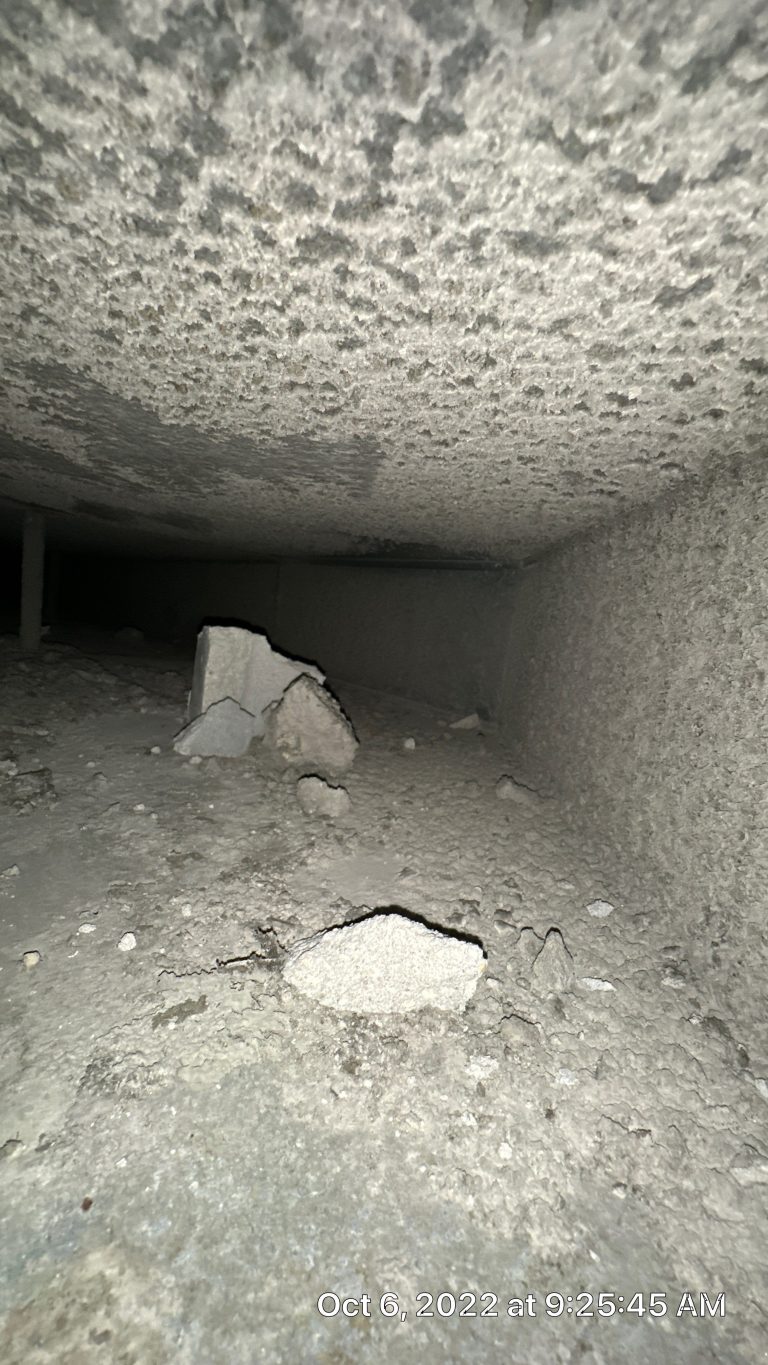
Call an HVAC professional to check your system. They’ll look at everything including sizing, drainage, airflow, and how the whole setup runs. If that funky smell won’t go away, you’ll also want to check for ductwork issues or other sources of moisture.
And if the system is old or just not the right fit, a replacement can fix things; just make sure the new setup is the right size and gets installed properly. That’s the key to staying cool and comfortable in that Florida humidity.
Your System Uses an Older Refrigerant or Has Major Component Problems
Some older air conditioners run on refrigerants that aren’t made or brought into the U.S. anymore. Take the R-22, for example, it’s been phased out, so new supplies aren’t coming in, though you might still find some recycled or leftover stock out there.
If your AC uses R-22 and springs a leak, fixing it can get tricky and expensive. That doesn’t mean you absolutely have to swap out your whole system, but it’s a good reason to think about the unit’s age, how it’s been holding up, and what future repairs might cost you.
Big problems like a compressor dying can tip the scales. If your system is already old and something major gives out, repairs might cost a lot, or you might run into trouble finding parts.
Have your HVAC technician tell you which refrigerant your system uses, if you can still get parts, and how the repair costs stack up against just getting a new unit.
Don’t get stuck on just one problem, look at the whole situation. If your AC is old, not energy-efficient, and now needs a big fix, it might be smarter (and less stressful) to replace it before summer heat sets in.
Why Winter Is a Good Time to Plan AC Replacement in Florida
Florida doesn’t really slow down in the winter the way some colder states do. Honestly, there are plenty of days when you’ll still need to run the AC—those warm afternoons don’t just disappear. But fall and winter actually give you a good chance to plan for the next big heat wave.
If you swap out your AC before summer rolls in, you’ve got some real perks:
- You get plenty of time to look over different systems. Check out energy efficiency, warranties, installation costs, and compare what different contractors offer.
- You avoid making snap decisions just because your old AC suddenly quits on a hot day. You’re not desperate and don’t have to settle for whatever’s in stock.
- It’s also a great time to handle other stuff. A contractor can spot and fix things like leaky ducts, old insulation, drainage issues, or fiddly electrical stuff before your new system goes in.
- When summer heats up, you’re ready. Your AC is properly chosen, installed, and tested. No surprises, just cool air.
Now, contractor schedules and prices change depending on where you live and how busy people are, so winter isn’t always cheaper. The real win is having enough time to make a smart choice.
How to Choose the Right AC Replacement
If you need a new system, don’t let price or brand be your only guides. Find a licensed, insured HVAC contractor who actually takes the time to check out your home and talk you through your options. Get a written estimate that spells out what equipment they’ll install, what the work includes, the warranty, and any extra repairs that might come up.
A few things really matter here:
- The system needs to fit your home’s actual cooling needs; not too big, not too small.
- Check the energy efficiency ratings and expected running costs.
- Pick something that can actually handle Florida’s heat and humidity.
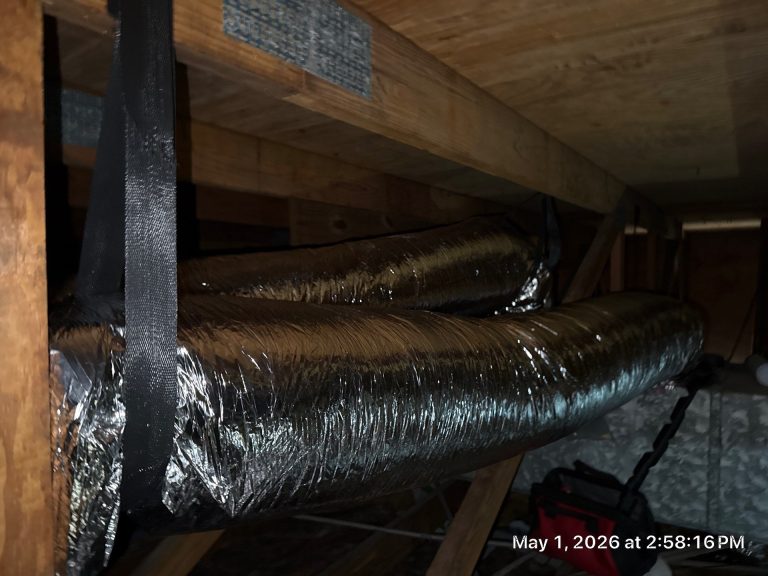
- Don’t ignore the ductwork. Leaky or badly insulated ducts cut into your system’s performance.
- Quality installation is just as important as the equipment itself. Even the best unit won’t work right if it’s set up poorly or attached to bad ducts.
A high-efficiency system only delivers what you pay for if it’s properly installed, with solid ductwork and expert setup.
Wrapping Up
If you live in Florida, figuring out when to replace your AC is a whole lot easier if you look into it before summer hits. Don’t wait until you’re sweating. Check your system in the fall or winter, when things are quieter. Signs like an old unit, constant breakdowns, higher energy bills, rooms that never cool evenly, humidity issues, or big component failures all point toward needing a replacement.
But not every issue means you need to shell out for a whole new system. Sometimes, regular maintenance or a quick repair can fix the problem. Get a professional from Ties360 to check it out; they’ll help you figure out whether you actually need a replacement or if repairs will do the trick and they’ll weigh those costs for you.
If AC replacement is on your mind, use the cooler months to book an inspection, start checking out newer models, and tackle any hidden HVAC problems. Planning now means you’ll dodge a summer meltdown and your home stays cool when things start heating up again.