Florida Humidity Doesn’t Stop in Winter: Is Your HVAC System Actually Controlling Moisture?
Your air conditioner is humming along like it should, but your windows keep fogging up. The bathroom stays damp long after anyone showers. Some rooms just feel a little sticky, and there’s this musty odor you can’t quite put your finger on.
When you notice these things, it’s usually a sign that your HVAC system isn’t pulling enough moisture out of the air. That doesn’t always mean your AC is broken. Sometimes, it’s because your AC isn’t running as much, there’s leaking ductwork, your ventilation isn’t rotating air, or humid air is sneaking in from the outside.
Florida indoor humidity doesn’t just pack up when summer’s over. What really changes is your AC doesn’t kick on as often in winter, so it isn’t clearing out that extra moisture like it does during those hot months.
Let’s look at how to spot these signs of bad humidity control, figure out what’s behind them, and talk about what you can actually do to fix the problem.
Signs of Bad Humidity Control
Condensation Keeps Forming on Your Windows
Water droplets collecting on your windows is a clear sign there’s too much moisture in the air inside. When that humid air hits cold glass, the water vapor turns into tiny beads on the surface. In Florida, you tend to see this more on chilly winter mornings, especially if the air indoors feels muggy. If it happens now and then, it doesn’t mean your HVAC system is failing. But if you keep seeing condensation day after day, it’s time to pay attention. Over time, this can mess up your window frames, make paint peel, and create the perfect environment for mold to grow.
How to fix it:
- Start by checking your indoor humidity with a digital hygrometer.
- Keep your bathroom fan running during and after showers to get rid of the extra moisture.
- If you cook a lot, try to vent that steam outside.
- Take a look around for plumbing leaks or any water sneaking in around your windows.
- If you’re still seeing condensation, it’s time to look into possible insulation or ventilation issues.
Aim for indoor humidity between 30% and 50%, that’s the sweet spot for most homes. And if the air still feels muggy no matter what you do, it’s probably smart to call an HVAC professional to see if your cooling system is pulling its weight.
Your Home Feels Damp Even When the Temperature Is Comfortable
Sometimes, you look at the thermostat and it says everything’s fine, but somehow, the air still feels sticky. You might find damp towels, your bedroom might feel clammy, or it just constantly feels moist whenever you walk into an enclosed space.
Your AC can make the air cooler, but that doesn’t always mean it’s pulling enough water vapor out to actually make you comfortable.
In Florida’s winter, this problem pops up a lot. The AC hits the temperature you set pretty fast and shuts off, so it isn’t running long enough to remove much humidity. That leaves the air damp even when it’s technically cool inside.
How to fix it:
- Start by getting a hygrometer and checking different rooms at different times of day. If you keep seeing numbers above 60%, it’s time to find out where the extra moisture is coming from.
- Check that your AC filter is clean, and make sure the drainage and airflow are working like they should. If everything looks good but the humidity’s still high, it’s a good idea to ask an HVAC pro if you need a separate dehumidifier.
- Resist the urge to crank your thermostat down just to get the AC to run longer. That’ll just spike your electric bill without fixing anything. It’s better to get to the root of the problem.
Your Air Conditioner Keeps Starting and Stopping
If your air conditioner keeps turning on and off in short bursts, you’re dealing with what’s called short cycling. Instead of going through a full cooling cycle, the system just keeps restarting, which doesn’t give it enough time to pull moisture out of the air. That’s why your house might feel kind of clammy, even if the temperature seems fine.
One big reason? The unit might be too large for your space. When an AC is oversized, it cools things down too quickly, so it shuts off before it can actually dehumidify the air. You’ll probably notice this even more in winter when you don’t need as much cooling.
But it’s not always about size. Short cycling can also happen because of thermostat problems, poor air quality, issues with refrigerant, or electrical faults.
How to fix it:
- Pay attention to how often your AC kicks on and off, especially if your home feels muggy.
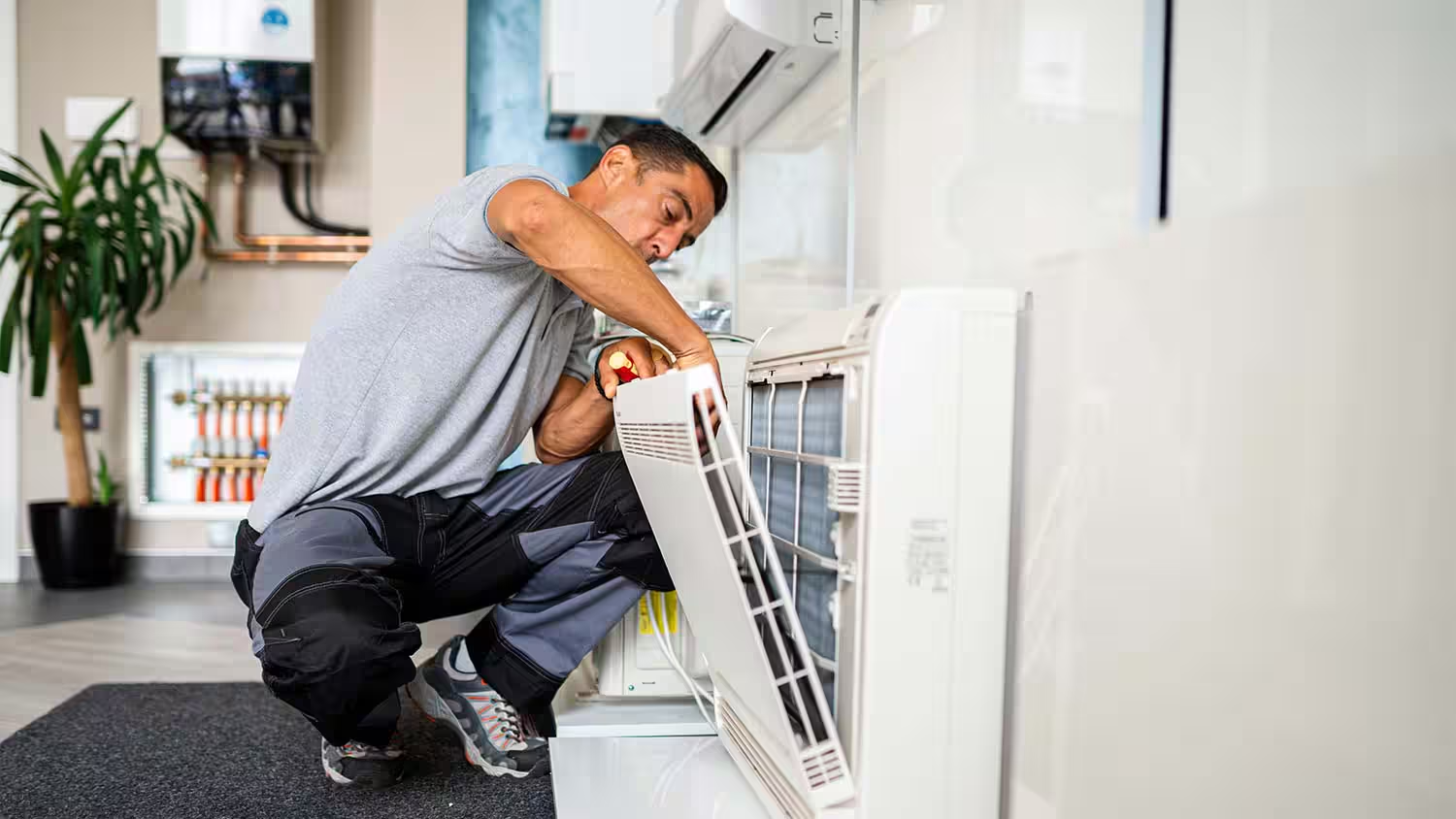
- Call a qualified HVAC technician. They’ll check the thermostat, airflow, refrigerant levels, and make sure your system is the right size for your space. If it turns out the unit is too big, a professional can do a proper cooling load calculation and figure out whether you need a replacement or some other fix.
Don’t fall into the trap of thinking a bigger unit will always work better. The right size is key if you want your AC to control both temperature and humidity like it should..
Some Rooms Feel More Humid Than Others
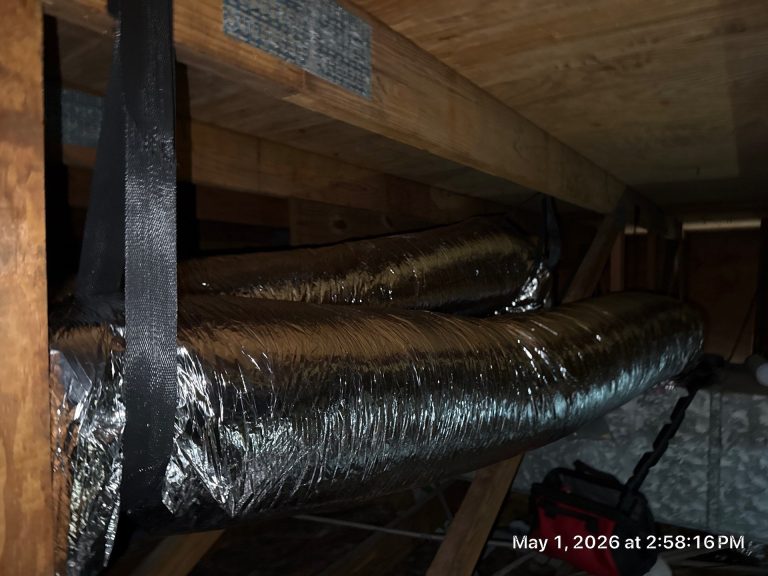
If your bedroom feels sticky but your living room is comfortable, there’s a good chance your ductwork is messing with the airflow. Sometimes, supply ducts are leaking, so the cool air slips out and never makes it to certain rooms. Return ducts can be a problem too if they’re leaking, they might actually pull in muggy air from places like your attic or garage.
Damaged duct insulation is another culprit. When the insulation isn’t doing its job, condensation forms because the surfaces get too cold and mix with humid air.
How to fix it:
- Call an HVAC pro and have them check your ducts for loose connections, broken insulation, or leaks. They can run tests to spot the sneaky leaks you probably can’t see yourself.
- Once those leaks are sealed and the insulation is fixed up, you’ll notice a real difference in airflow and moisture.
- If some rooms are still humid after all that, dig a little deeper. Maybe there’s not enough ventilation, or you have a plumbing leak, or maybe those rooms are just picking up heat differently than the rest. But starting with the ductwork is always a smart move.
Musty Odors Keep Returning
That musty smell that just won’t go away usually means there’s dampness or moisture hanging around. Sometimes you’ll catch it in closets, by windows, near air vents, or any room that doesn’t get much fresh air.
Still, just smelling it isn’t enough to guarantee it’s mold, and it won’t tell you where the moisture’s sneaking in. The problem could come from a leaky pipe, waterlogged building materials, a wet evaporator drain pan, or even humid air slipping in through cracks. Your HVAC system could play a role too, but cranking the AC isn’t going to solve everything.
How to fix it:
- Look for obvious signs of moisture like leaky pipes, water pooling around the HVAC, damp spots near the windows or on outside walls.
- Double-check that the condensate drain isn’t clogged. If you think the problem is inside the HVAC system, call a professional to inspect it.
- Fix any leaks and dry out wet spots as soon as you find them.
- If you find mold, don’t just clean it up, take care of the moisture problem that let it grow in the first place.
- If you notice the smell gets stronger when the AC kicks on, make a note of when and where it happens. Tell your technician, they’ll have a better shot at tracking down the source.
Your Home Stays Humid Even After HVAC Maintenance
You’ve swapped out the filter, serviced the AC, and hunted for any obvious leaks, but the humidity inside still won’t budge which can be frustrating. Sometimes the air conditioner’s working fine, but it just can’t pull enough moisture out of the air, especially when there’s not much need for cooling. Other times, the problem’s bigger. Maybe humid air is sneaking in from outside, the house isn’t ventilating well, or there’s water making its way in somewhere it shouldn’t.
How a whole-home dehumidifier can help
A whole-home dehumidifier Florida doesn’t care if the AC’s running or not; it just keeps removing moisture around the clock. Depending on the setup, you can hook it right into your existing HVAC system or run it through its own ductwork.
This really comes in handy during those cooler periods in Florida, when the AC barely runs but the air still feels thick and clammy. Choosing the right dehumidifier means considering the size of your house, how much moisture you’re dealing with, the layout, and how your HVAC is set up.
But don’t buy one just yet, call in a pro first. They’ll make sure a dehumidifier actually makes sense for your situation. Just remember, it’s not a magic fix for every problem. If you have leaky plumbing, water intrusion, or messed-up ductwork, tackle those issues before you worry about adding new equipment.
How to Keep Florida Indoor Humidity Under Control This Winter
Once you’ve handled the immediate issue, it’s smart to build a few simple habits to keep moisture from sneaking back in:
- Keep an eye on humidity levels, don’t just trust how the air feels. A hygrometer gives you a clear reading, so you know exactly what’s going on. Whenever you shower or cook, turn on those exhaust fans. And if you spot a leak under the sink or by the water heater, take care of it before it gets out of hand.
- Don’t forget about your AC, either. Swapping out filters when you’re supposed to and booking a regular checkup can go a long way. While you’re at it, check your ductwork for leaks or ragged insulation, and fix them if you notice trouble.
- If you keep finding wet spots, weird musty smells, or constant condensation, don’t just shrug it off. Track down the source and take care of it.
- If the air stays muggy no matter what you try, think about adding a whole-house dehumidifier. Sometimes you need that extra boost.
Remember, it’s not about cranking up the AC just to make things colder. The real win is comfortable HVAC humidity control and a system that isn’t running overtime and running up your energy bill.
Wrapping Up
Florida’s humidity doesn’t just disappear when winter rolls in, even if your air conditioner seems fine. If you’re dealing with clammy rooms, condensation on your windows, your AC turning off and on too often, or that stubborn musty smell, you’re probably facing some moisture problems.
First, check your indoor humidity levels and figure out where the moisture is sneaking in. Sometimes, you just need better ventilation, or you might need to seal your ducts, tune up your HVAC system, or even invest in a whole-home dehumidifier.
If your house still feels damp, even when the temperature’s comfortable, it’s time to call in an HVAC professional from Ties360. Fixing these issues now doesn’t just make your home cozier, it gets you ready for the muggy summer ahead. Book an appointment today.