Why Is My Florida Electric Bill So High? HVAC Problems That Could Be Costing You Money
If you have a high electric bill Florida without a plausible reason, your air conditioner might be the culprit. Endlessly hot days, sticky humidity, and brutal summers mean most people practically live with their AC running. When your system starts acting up, it guzzles more electricity and still struggles to keep things cool.
However, it’s not always the AC’s fault. Sometimes it’s just your electricity prices going up, extra appliances using power, or maybe a heatwave making you crank up the AC more often.
If your energy use jumps and nothing obvious explains it, you should definitely take a look at your HVAC system. Stuff like dirty coils, clogged filters, low refrigerant, old equipment, busted thermostats, and leaky ducts can all make your AC less efficient.
6 HVAC Problems That Could Be Costing You Money
Let’s dive into six common HVAC issues that drive up your electric bill in Florida and what you can do to fix them.
Dirty Evaporator and Condenser Coils
Your air conditioner works by using two sets of coils to move heat from inside your home to the outdoors. The evaporator coil takes in heat from the air inside, and the condenser coil outside gets rid of that heat.
When those coils get covered in dirt or dust, they just don’t work as well. Your AC has to run longer to cool things down, which means your electricity bill starts creeping up.
Florida’s humidity doesn’t help. All that moisture makes it easy for dirt to stick to the indoor coil, while the outdoor unit seems to collect everything like grass clippings and leaves.
Wondering if your coils need attention? Here’s what to watch for:
- Your AC keeps running, but the house stays warm.
- It feels hotter inside than your thermostat says it should.
- The outdoor unit looks dirty or something’s blocking it.
- Your power bills are climbing even though you’re not using the AC any more than usual.
Keep the area around your outdoor unit free of leaves and plants, and get a pro to check and clean the coils when you can. The evaporator coil is tucked inside the system, so you’ll probably need an HVAC tech to handle that part. Clean coils let your AC do its job faster and easier, which saves energy and cuts down on those stress-inducing energy bills..
Clogged Air Filters Restrict Airflow
Your AC filter’s job is to catch stuff like dust, pet hair, and all those little particles before they can mess with your system. However, given enough time, all that gunk piles up in the air vents, making it harder for air to move through. When that happens, your AC has to work way harder to cool your place and it might not do the best job. Some rooms get stuffy, others stay comfortable, and your energy bill might start creeping up. Sometimes, things get so bad your evaporator coil can actually freeze.
Check your air filter often, and swap it out or clean it like the manufacturer suggests. If you have pets, if you’re dealing with construction dust, or if you’re cranking your AC all the time, you’ll probably need to change it more often.
Don’t just pick the filter with the biggest number on the box. Some super-high filtration filters can choke your system if they’re not the right fit then you’re back to poor airflow and less cooling.
This is one of the easiest things you can do yourself to keep your AC happy. But if you swap the filter and things still aren’t cooling right, it’s time to call in a professional to figure out what else is going on.
Low Refrigerant Levels or Refrigerant Leaks
The refrigerant is what lets your air conditioner grab heat from inside your home and dump it outside. Your AC doesn’t use refrigerant up like fuel, so if you’re running low, something’s wrong. Most likely, you have a leak or a glitch somewhere in the system.
When refrigerant’s not at the right level, your AC can’t cool like it should. Sometimes it runs non-stop but never really gets your home comfortable. If things get bad, you might even find the evaporator coil freezing up, which makes airflow drop and cooling performance tank.
That’s why AC issues can hit your wallet hard. Your system keeps running, but your house stays warm, and your electric bill shoots up with nothing to show for it.
Here are some signs to watch for:
- Air from your vents feels weak or barely cool.
- You spot ice on the refrigerant lines or the indoor coil.
- There’s a weird hissing noise near the lines.
- Cooling cycles drag on forever and your indoor temperatures keep jumping around.
When you spot these signs, call a qualified HVAC technician from Ties360. Let them hunt down any leaks, fix them, and recharge your AC to the manufacturer’s specs. Adding refrigerant without taking care of the leak is just a band-aid and it won’t really solve anything. Don’t try to mess with refrigerant yourself. Fixing it takes special tools and you need to know what you’re doing so leave it to the professionals.
An Aging or Inefficient Air Conditioner
Air conditioners don’t last forever. As the years go by, parts wear out, maintenance gets skipped, and repair bills start piling up. On top of that, older AC units just aren’t as efficient as the newer models. So if your system was installed ages ago, chances are it’s burning through a lot more electricity to keep your home cool even if it’s working as hard as it always did.
In Florida, where your AC probably runs nonstop, these efficiency differences really start to show over time. You’ll notice signs your air conditioner is on its way out when you have expensive repairs popping up more often, energy bills creeping up when nothing else has changed, rooms that never quite cool off evenly, trouble keeping a comfortable temperature, or weird noises and persistent mechanical hiccups.
Get a qualified technician to check out your AC. They’ll look at its age, maintenance record, efficiency, and how often you’ve needed repairs. Then you can weigh the cost of keeping your old unit alive against the energy savings and fewer headaches you’d likely get from a new one.
That said, swapping your AC isn’t always the right move immediately. An older system that’s cared for can still work just fine, while a brand-new unit might waste energy if it’s installed wrong or neglected. If you do decide to upgrade, make sure the new unit is sized to fit your home. Too big, and it’ll turn on and off constantly and won’t handle humidity well. Too small, and it’ll run nonstop just trying to keep up on the hottest days.
Incorrect Thermostat Settings or Placement
Your thermostat is basically the remote of your AC. It controls when to kick on and when to stop. If you pick the wrong settings, though, you can end up wasting a lot of energy. People often think dropping the temperature way low will cool the house faster, but honestly, it just makes your AC work overtime for no good reason. The system will keep running, burning more energy, just to chase a number you probably don’t need.
Where you put the thermostat matters too. Stick it in direct sunlight or near something hot, like the oven, and it might get confused and cool your house when you don’t actually need it. Same story if it’s near a drafty window.
Pick a temperature that feels good without going overboard. Use a programmable or smart thermostat, so the house cools down when you’re home and lays off when you’re not. And definitely, keep the thermostat clear of sunlight and heat sources.
If your thermostat seems off, maybe your AC turns on and off at weird times, it’s probably time to get a professional to check it out.
If you’re in Florida, don’t forget about humidity. Bumping up the temperature a little saves energy, but you still need the place to feel dry and comfortable. If it’s always muggy inside, there’s probably something up with your equipment, drainage, or airflow and it’s worth having someone take a look.
Leaking or Poorly Insulated Ductwork
Your air conditioner might be working hard and pumping out plenty of cold air, but if that air doesn’t make it to the right rooms, you’re still wasting energy.
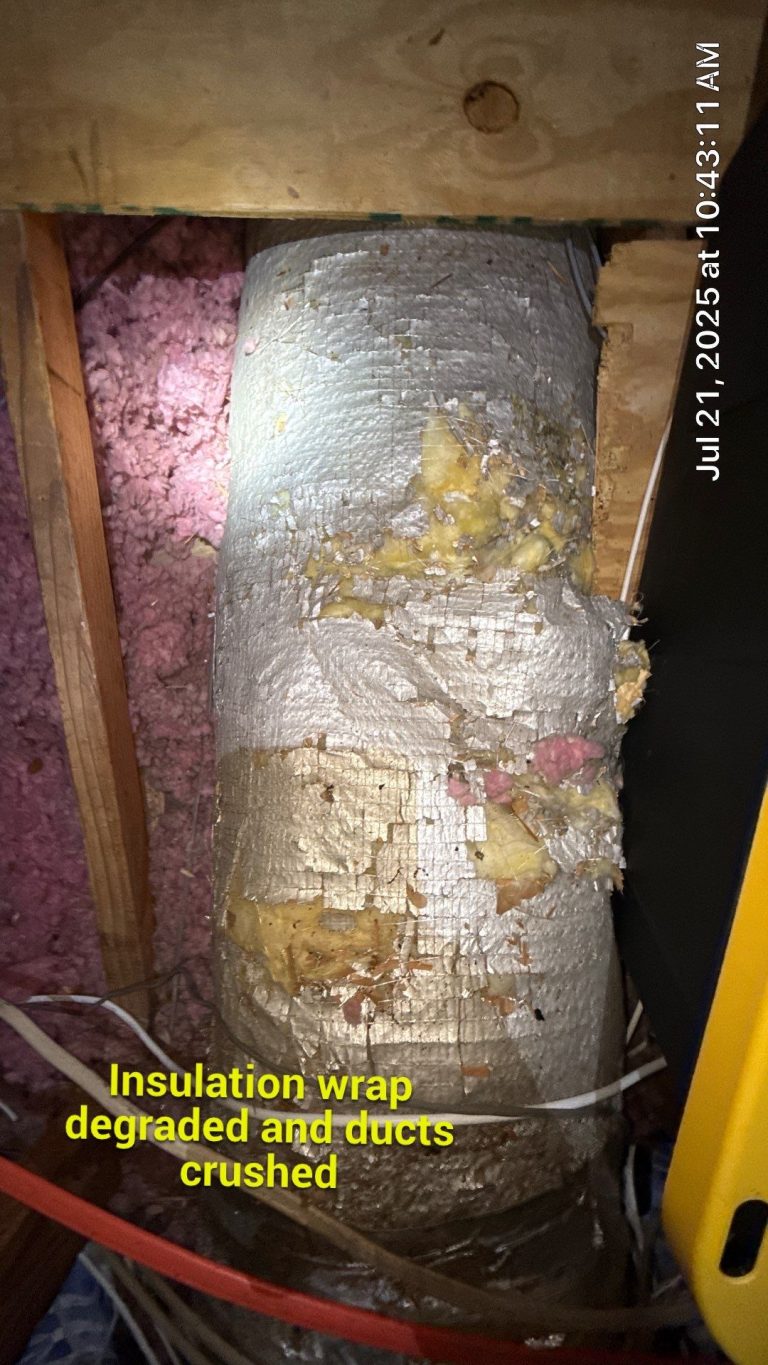
The ductwork in your house is supposed to carry cooled air everywhere you need it. But when the ducts have loose joints, cracks, bad insulation, or seals that aren’t tight, a lot of that cool air ends up drifting into your attic, crawl space, or some other spot you never meant to cool. Leaky return ducts are another problem because sometimes they actually pull in warm, humid air from outside those ducts, which just makes your AC system work even harder.
When this happens, you end up paying more on your electric bill, dealing with some rooms that never seem cool enough, and feeling frustrated about the whole thing.
A few signs point to leaky or poorly insulated ducts:
- Certain rooms always feel hotter than the rest.
- The air coming out of some vents seems really weak.
- Your AC seems to run forever without getting results.
- House dust builds up faster than usual.
- The attic or a closet near the ducts feels strangely cool when the AC’s running.
If any of this sounds familiar, call an HVAC professional. They can inspect your ductwork, check connections and insulation, and find any spots where air leaks out. Once everything gets sealed up and insulated properly, your AC can finally deliver cool air where you want it without losing it along the way.
How to Reduce Your Florida Electric Bill
HVAC issues can drive up your electric bill, but you don’t have to buy a whole new system to make things better. Here’s where you can start:
- Check your air filter: If it’s dirty, swap it out and see if the air flows easier. Next, book some routine maintenance. Let a professional check out the coils, refrigerant, electrical stuff, and drainage so things run smoothly.
- Adjust your thermostat: Don’t set it ridiculously low; that just burns more energy. Use any scheduling features to keep things reasonable when you’re not home.
- Inspect your ductwork: Make sure nothing’s disconnected, the insulation isn’t wrecked, and you’re not losing air through leaks.
- Compare your energy usage: Compare your kilowatt-hour usage month by month, not just the total cost, so you know if you’re actually using more electricity or if your rates went up.
- Address recurring problems: If your AC keeps struggling to cool your home or seems to run nonstop, don’t just hope it’ll fix itself. Get it checked out.
A high electric bill can mean different things. Tracking your actual energy usage helps pinpoint whether the problem is your HVAC system or something else.
Wrapping Up
Getting stuck with a high electric bill in Florida is no joke especially when your AC just keeps humming away endlessly, and you’re still sweating inside. Sometimes the issue is pretty basic: dirty coils, clogged filters, refrigerant leaks, old gear, thermostat missteps, or even sneaky leaks in your ductwork. Any of these can make your HVAC gobble up extra energy and leave you uncomfortable.
First things first, take a look at your air filter, poke around your thermostat settings, and see if anything obvious jumps out. If your bill’s still way up or your AC just isn’t keeping things cool, it could mean something more serious like a refrigerant issue or busted ductwork. That’s when calling in a Ties360 professional to inspect things starts making a lot of sense.
Wondering why your AC is chewing through so much electricity? Let a technician dig deep. They’ll spot hidden performance hiccups, airflow jams, and those weird problems you might miss on your own. Fixing the actual culprit makes a world of difference not just in your comfort, but in how much you pay to keep your house cool.