

There are two kinds of duct cleaning in this market. One is a quick visit with a shop vac and a spinning brush that stirs up more than it removes. The other is source removal: the whole system put under negative pressure with commercial vacuum equipment while agitation tools dislodge what’s stuck to the duct walls, so the debris leaves your house instead of relocating inside it. TIES 360 does the second kind, with NADCA-certified technicians, and it’s why we inspect and quote before we touch anything.

Every cooking session, every pet, and every month of AC use sends particles through the system, and a share of them settle inside the ductwork instead of riding back out. Over a few years that becomes a lining of dust, pet dander, pollen, and, in our humidity, the spores behind that stale closed-room smell. Indoor air can carry up to 100 times more pollutants than outdoor air, and the ducts are part of the loop: they collect what your house produces, then send it back every time the blower kicks on. Cleaning removes the reservoir instead of treating the symptoms.
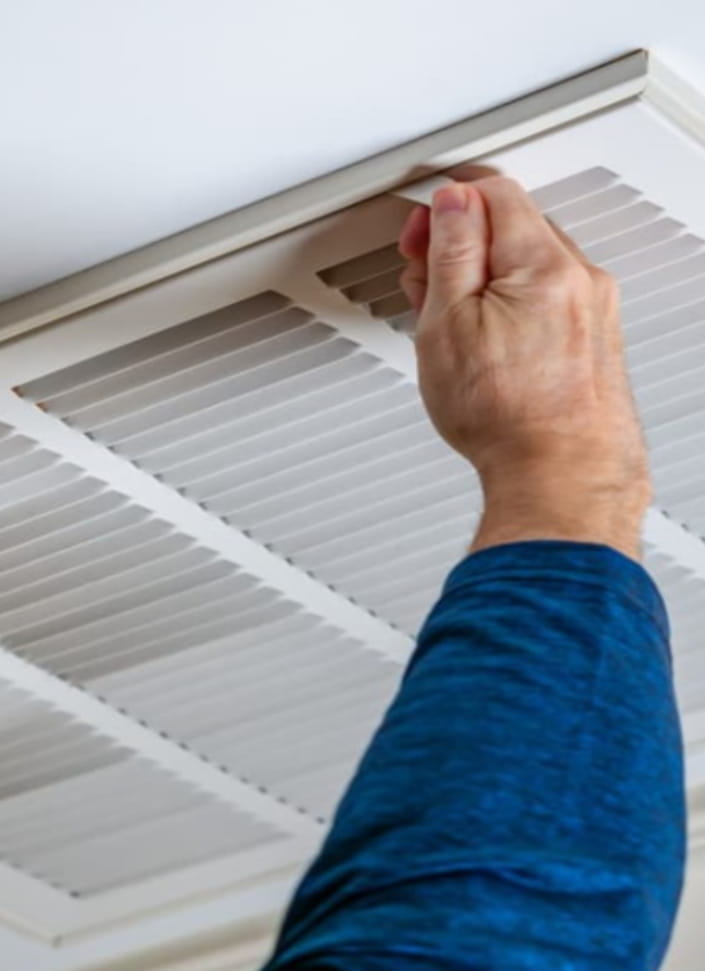
We start with an inspection of the full system: supply and return runs, registers and grilles, and the air handler itself, because a cleaning that skips the handler leaves the dirtiest part in place. The system then goes under negative pressure with commercial vacuum equipment while agitation tools work the duct walls, pulling loosened debris out of the house rather than into your air. Registers come off and get cleaned individually, floors and furniture stay covered, and the house goes back the way we found it, minus what was in the ducts. You’re welcome to look inside before we close everything up.
The first thing most people mention is the smell: the mustiness that used to arrive with the AC stops arriving. Dusting gets less frequent because the system stops restocking the shelves. Airflow at weak vents often improves once the path is clear, and a system that isn’t pushing through buildup runs with less strain through our ten-month cooling season. If allergies were part of the reason you called, removing the reservoir of dander, pollen, and spores takes a real variable off the table, though we won’t promise a medical outcome. Most homeowners can tell the difference the same day.
An inspection sometimes finds problems cleaning can’t fix. Ducts leaking into the attic need Aeroseal duct sealing after the cleaning, so the tight system stays clean longer. Runs that are crushed, disconnected, or past their service life call for air duct replacement instead; there’s no point paying to clean a duct that needs to come out. And while we’re there, dryer vent cleaning is a quick add-on that clears a real fire risk along with a lint-clogged airflow problem. We lay out what we found and let you decide. Nothing gets added to a quote without a reason you can see.
The same four steps for every job we do, from duct cleaning to attic insulation.
Contact us and tell us what's going on. We'll set a time that works for you.
A technician inspects the problem area, takes measurements, and shows you what they find.
The price in writing before any work starts. No pressure either way. You'll receive a hassle-free esimate.
Same crew, on schedule. We keep the job contained and leave your home cleaner than we found it.
The whole air path: supply and return runs, registers and grilles, and the air handler. The system goes under negative pressure while agitation equipment works the duct walls, so debris is removed at the source rather than stirred around. That’s the NADCA-standard approach, and it’s the difference between a cleaning and a dusting.
Yes, and replacement time is one of the best moments for it. Installers generally don’t touch the ductwork during a changeout, so a new system starts its life pushing air through the old system’s buildup. Cleaning at changeover means new equipment, clean path, and nothing old recirculating onto new coils.
The inspection tells us what we’re dealing with. Surface contamination inside ductwork is cleared as part of source-removal cleaning, and if moisture is feeding it, we’ll point to the cause, because cleaning without fixing the moisture just schedules the next problem. Significant mold growth is licensed separately in Florida, and we’ll be straight with you about which situation you have.
Most homes take a few hours depending on vent count and buildup. You don’t need to leave: the system stays under negative pressure while we work, and the noisiest stretch sounds like a loud vacuum.
The inspection covers the handler, and accessible components are part of the cleaning. If the coil needs deeper work, we’ll show you what we found and talk through options rather than fold surprises into the price.