The Hidden Dangers of Mold in Your Ductwork for Chemotherapy Patients
Going through chemotherapy isn’t easy, and it changes the way you look at things, especially at home. Cleanliness and comfort start to feel like top priorities, not just nice-to-haves. Since chemo can lower your immune defences, even a little cold or infection turns into a bigger deal. That’s why people focus so much on safe food, good hygiene, careful medication routines, and steering clear of anyone who’s under the weather.
But let’s not forget about the air you breathe indoors. Mold naturally exists outside, but if it starts growing inside, especially near your HVAC system, it can spread through the air in the house. For someone with a weakened immune system, that’s not good news.
So, if you or someone you care for is receiving chemotherapy, getting familiar with the early warning signs of mold and moisture problems matters. This article covers these and more
Why Mold in Air Ducts Can Be a Concern for Chemotherapy Patients
Mold pops up anywhere there’s moisture and the right conditions. HVAC systems are especially tricky because air conditioning creates condensation as it cools the air, and if you’re not on top of moisture control, problems can develop very quickly.
Some common causes of mold can include:
- Leaky HVAC parts
- Blocked condensate drains
- High indoor humidity
- Water intrusion
- Soggy or damaged insulation
- Bad drainage around your equipment
- Previous water damage. I
If mold finds its way inside or near HVAC components, running the system can send mold spores floating throughout the building.
A healthy person usually deals with indoor mold just fine: maybe they’ll sneeze or have a little allergy flare-up. But for someone going through chemotherapy, things get more complicated. Chemotherapy can really knock down your immune system, and the Centre for Disease Control (CDC) points out that people with weaker immune defences are more likely to get hit hard by fungal infections, including ones from mold in the environment.
That doesn’t mean every moldy HVAC will make someone sick, or that everyone with a weak immune system is at constant risk. Still, if you’re caring for someone whose immune system is down, it just makes sense to limit exposure to moldy areas. It’s a simple but smart way to protect them.
How Mold Exposure Can Affect People With Weakened Immune Systems
Mold doesn’t bother everyone the same way. Some people start sneezing, coughing, or get itchy eyes and skin when they’re around it, but others barely notice anything at all.
If mold does trigger something, you might notice:
- A stuffy or runny nose
- Coughing
- Wheezing
- A sore throat
- Irritated eyes
- Skin rashes, or if you have asthma, things might get worse.
Now, if your immune system is totally weak like those on chemotherapy, you have to be extra careful. Certain molds can cause serious infections when your defences are down. These infections aren’t common for most people, but they’re a real concern if you’re medically vulnerable. That’s why it’s so important for cancer patients to follow their doctor’s advice about avoiding infection.
If you develop new or worse breathing problems, get a fever, or something just feels off, don’t just blame the mold and hope for the best. Call your doctor and get checked out right away.
The point of cleaning up your air isn’t to fix or diagnose any illness; it’s about cutting down on things indoors that might disturb your health.
Hidden Signs of Mold and Moisture Problems in Your HVAC System
Mold doesn’t always show up as an obvious patch on the wall. Sometimes, moisture and mold hide in the less visible parts of your HVAC system. If you’re a homeowner or caregiver, keep an eye out for these few warning signs:
- Musty odors: If you notice a musty or earthy smell when the HVAC kicks on, it’s worth digging a little deeper.
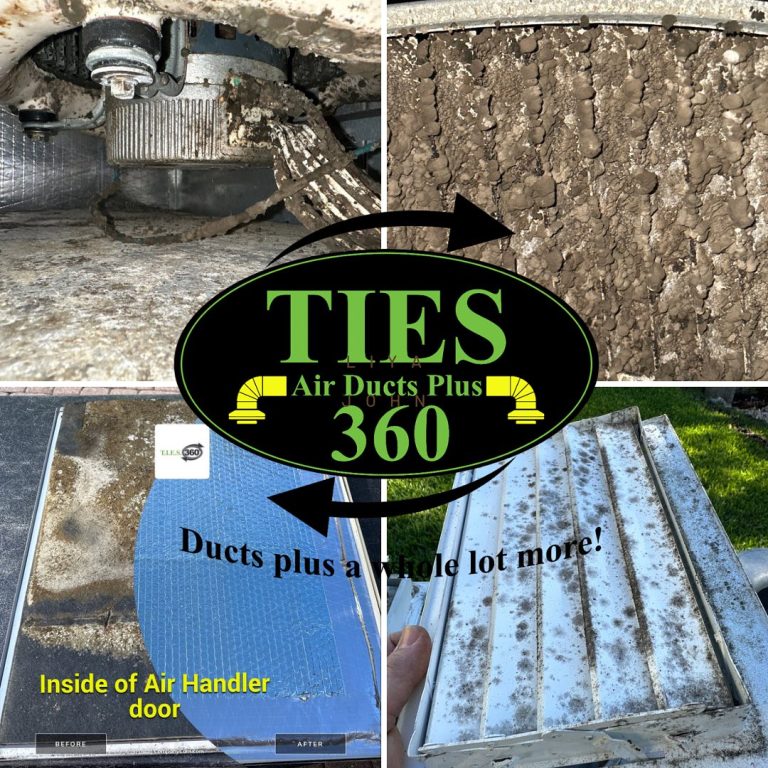
- Visible mold: Don’t brush off visible mold, whether it’s around vents, on equipment, ceilings, walls, or any nearby surfaces; it’s a big red flag.
- Water or condensation: Watch for recurring moisture or condensation around your HVAC system. Mold gets comfortable when there is moisture around.
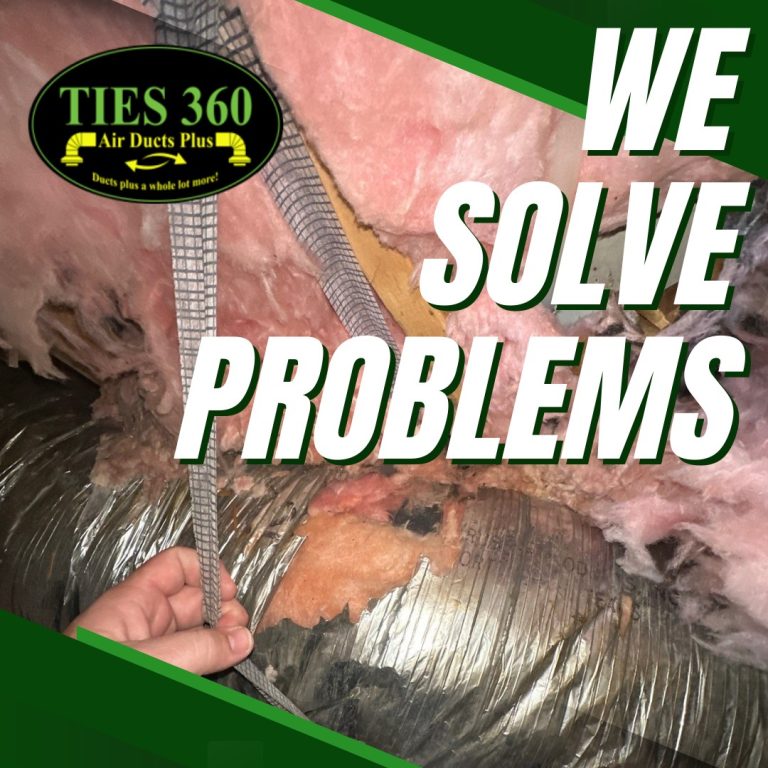
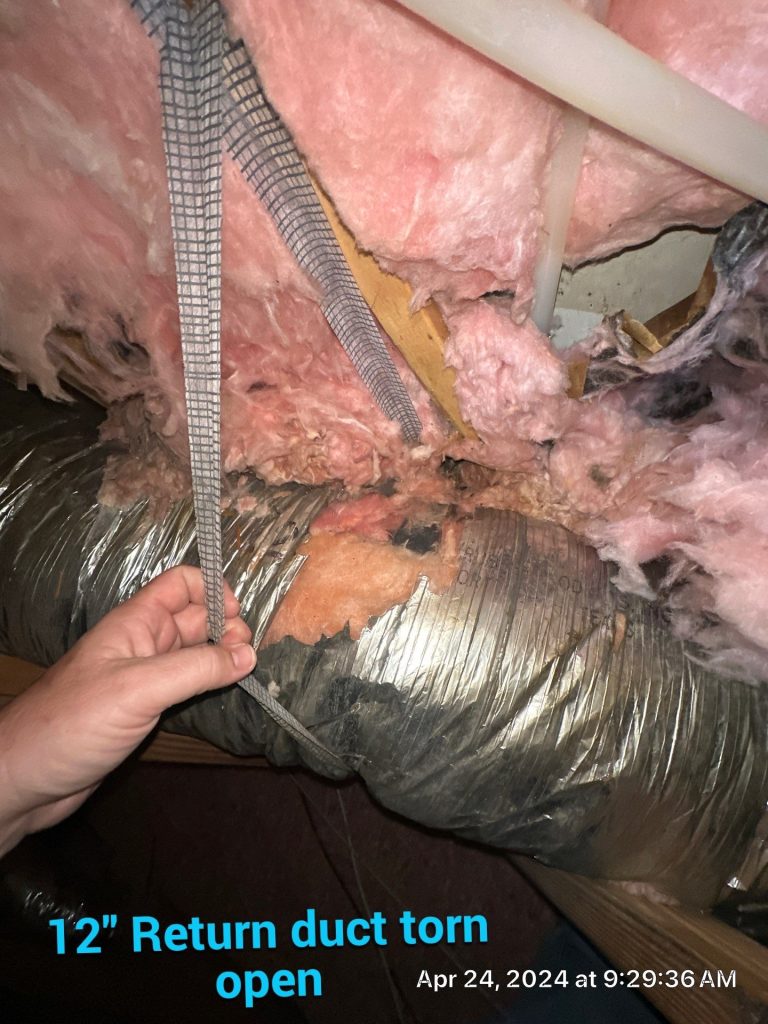
- Wet insulation: Wet or crumbling insulation wrapped around ductwork is another clue that something’s off.
- Excessive dust: If you see lots of dust or debris near vents or inside HVAC components you can access, it’s probably time for a professional to check things out.
- Recent water damage: Floods, roof leaks, plumbing issues, or even HVAC leaks all boost the risk of mold growing out of sight.
- Recurring odors after cleaning: A musty odor that comes back right after you’ve cleaned probably means the root problem is still lurking somewhere.
- Visible contamination inside ductwork: If you spot anything that looks like contamination inside exposed ductwork, don’t wait; call in a professional.
Keep in mind, though, these clues don’t always mean there’s mold inside your ducts. A professional inspection is the best way to figure out what’s really going on.
What Chemotherapy Patients and Caregivers Should Know About Indoor Air Quality
If someone in your home is going through chemotherapy, it’s important to keep indoor air quality in mind. This isn’t just about keeping things tidy, it’s about making the whole environment safer and more comfortable for them.
Start with moisture control. Fix any leaks, tackle standing water, clear up condensation and get rid of moisture as quickly as you can. Moisture is one of the main culprits when it comes to mold, and nobody wants that. A few other measures that may help too are:
- Change your HVAC filters as the manufacturer suggests.
- Clean regularly so dust doesn’t pile up.
- If you spot mold, deal with it right away.
- Keep humidity at a comfortable level.
- Don’t smoke indoors.
- Make sure bathrooms and other damp areas have good ventilation.
- Get your HVAC system checked and maintained.
- If your house smells musty, find out why instead of just covering it up with air fresheners.
- Talk to your healthcare team about any extra precautions you should take based on the patient’s treatment.
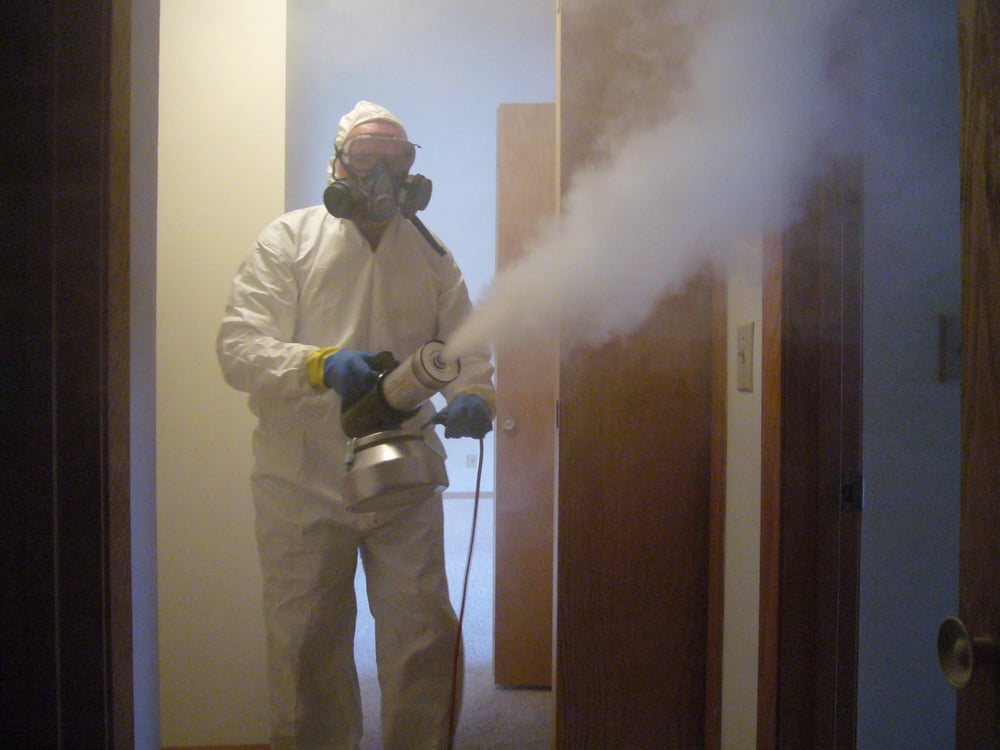
If you’re a caregiver, steer clear of big mold cleanup jobs, don’t try to tackle them yourself. Disturbing mold can send spores into the air. If the mold problem is significant or hard to reach, it’s better to call in professionals.
The most important tip is to always keep the oncology team in the loop if you notice mold or suspect a serious issue. They’ll help figure out what’s safest, based on the patient’s treatment and immune health.
How Professional HVAC Inspection and Duct Cleaning Can Help Reduce Mold Risks
Getting a professional HVAC inspection is a smart way to spot problems that lead to mold and bad indoor air quality. During an inspection, the technician checks things like:
- Ductwork
- HVAC components
- Drains and drain pans
- Insulation
- Airflow
- Signs of moisture
- Any visible contamination
- Spots where there was water damage before.
If they find a lot of contamination, duct cleaning makes sense. But don’t think duct cleaning fixes everything. If there’s a leak, high humidity, broken or old insulation, or something else causing moisture, you need to solve that issue too, or the mold just comes back.
What you do next really depends on what the inspection finds. Sometimes it’s cleaning; other times it’s fixing things, replacing damaged parts, dealing with moisture, or making HVAC adjustments.
Don’t fall into the trap of thinking every dusty duct has to be cleaned. According to the U.S. Environmental Protection Agency (EPA), duct cleaning is a good idea when there’s visible mold inside hard-to-reach ducts, pests, or so much debris that stuff gets blown into your home.
For people going through chemotherapy, it’s even more important to find and take care of major environmental risks, instead of just jumping to unnecessary HVAC work. Focus on what truly keeps the home safe.
Wrapping Up
If you’re caring for someone going through cancer treatment, their home should be a haven—a place where they can truly rest, heal, and breathe easy. But sometimes mold and moisture problems lurk in the HVAC system, totally out of sight. Even small issues can mess up your indoor air quality. This matters a lot, especially if someone in your house has a weakened immune system because of chemo or other medical treatments.
Here’s what you want to look out for: a musty smell, visible mold, water stains, spots where moisture just keeps popping up, wet insulation, or anything funky in the HVAC ductwork. If you notice any of these warning signs, don’t just try to mask the odour or wipe away what you can see. That’s not enough, and you definitely don’t want to risk leaving hidden mold behind.
Ties360 is your trusted HVAC team for tackling mold and moisture problems in ductwork. We dig into the real cause, figure out if your system needs cleaning, repairs, moisture control, or something else. Our inspections are thorough and we help you understand exactly what’s happening and what needs to be done to keep your air healthy.
Families dealing with chemotherapy deserve this extra layer of care. It makes the home cleaner, more comfortable, and safer for everyone, especially those with fragile health.
Worried about mold in your HVAC system? Reach out to Ties360 for a professional assessment.