7 HVAC Checks Homeowners Should Make Before Winter
When hurricane season finally ends in Florida, most homeowners breathe a sigh of relief. The sky clears up, the storms are gone, and if your roof isn’t leaking and your trees are still standing, you probably think you’re in the clear. But honestly, your HVAC system needs some attention, after the worst has passed.
With hurricane season wrapping up, it’s smart to check on your system before cooler weather gets here. Taking care of it now helps you spot any problems early, keeps your home comfortable, and saves you from surprise repairs when you really need your heating.
So, here are seven HVAC inspection Florida checks every homeowner should tackle once hurricane season is over.
7 HVAC Checks to Do Before Winter in Florida
1. Inspect Your Outdoor HVAC Unit for Hidden Damage
Your outdoor condenser or heat pump suffers more during Florida’s storms. Wind can toss debris straight into it, rain comes down hard, and even the ground can shift underneath. Sometimes it keeps running, but that doesn’t mean it’s clear.
You can start by giving it a good look from a safe distance. Scan for bent fins, branches or leaves stuck around the unit, or if the whole cabinet looks crooked or moved out of place. Look out for any dents, wobbly panels, or broken refrigerant lines.
Don’t open the cabinet or disturb those delicate fins but leave them to the professionals to handle. If you see real damage, things out of place, or parts sticking out, call a qualified HVAC technician. They know what to look for and can catch problems that you might miss just by looking it over yourself. A professional inspection really makes all the difference and cushions you against HVAC storm damage
2. Check for Water Intrusion and Flooding
Florida storms can dump a lot of rain in a short time, and if your home is in a low spot, you can end up with flooding, sometimes even when there isn’t a big hurricane in the area. If floodwater reaches your outdoor HVAC unit, don’t take any chances. Water messes with electrical parts, motors, and wiring. Mud and grit can also pile up, blocking airflow and making things worse.
Take a close look around your unit. Look for watermarks, dirt buildup, or signs water got inside the cabinet. Inside, check the area around your air handler for any damp spots, stains, or anything that feels off. Whatever you do, don’t try to turn the equipment back on if it’s been underwater or you suspect water damaged anything electrical. Get a professional to check everything before you start using it again.
Even if you didn’t get actual flooding, pay attention to any stubborn moisture around your system. Tracking down leaks or damp spots right away saves you a much bigger headache down the line.
3. Look for Signs of Electrical or Power-Surge Damage
Storms can mess with your electrical equipment even if they don’t hit your house directly. Lightning, utility outages, and sudden power changes easily throw off sensitive HVAC parts.
After a storm blows through, take a minute to notice if your system acts differently. Watch out for signs like a blank or glitchy thermostat screen, breakers that keep tripping, the outdoor unit refusing to start when you want cool air, the system cycling on and off a lot, or odd smells and buzzing that weren’t there before.
Sometimes, electrical problems take a while to show up. If breakers keep tripping or you spot electrical trouble, don’t keep hitting reset, and don’t try to fix it yourself. Turn off your system and call in a professional. An HVAC technician knows how to check all the electrical parts, connections, controls, capacitors, and can tell you if the storm did any damage.
4. Replace Your Air Filter and Check Airflow
Another important HVAC inspection Florida check is your air filters. It is easy to forget about air filters when you’re getting ready for a hurricane or tidying up afterward. But if your filter is clogged, airflow takes a hit. That means your AC or heat might struggle, and suddenly, the house feels uncomfortable.
So, take a minute to check that filter. If it looks dirty, feels damp, is damaged, or you can’t remember the last time you changed it, just swap it out. Stick to whatever schedule or filter type the manufacturer suggests.
After that, walk around and look at the vents. Sometimes, furniture, curtains, or random stuff blocks them without you realizing. See if one room feels stuffier than the others or if the airflow just isn’t what it used to be.
If your power went out for a while or the storm brought in extra dust and debris, it’s even more important to check things over. Filters are only one piece of the puzzle, though. If you replace yours and the airflow is still weak, the real problem might be with the blower, ductwork, evaporator coil, or something else deeper in the system. That’s when it’s time to call in a professional.
5. Inspect Accessible Ductwork for Moisture and Damage
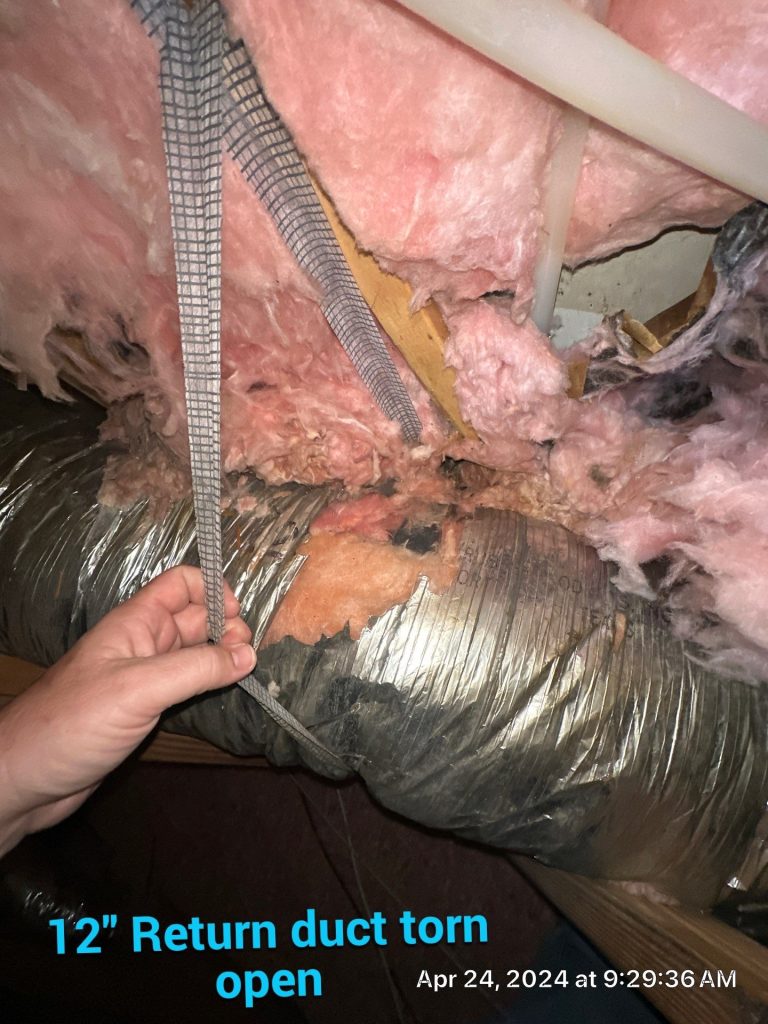
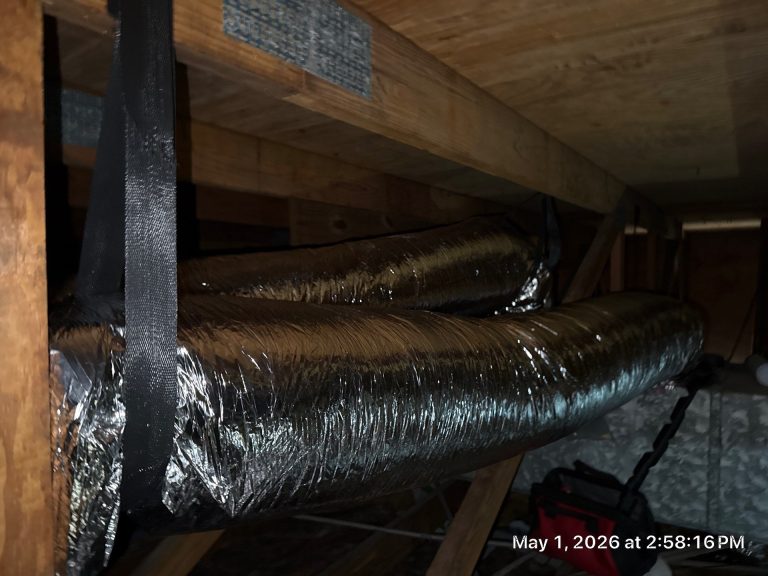
Even if you are adequately prepared for a hurricane, take a good look in duct areas you can reach safely. Watch for water stains, insulation that looks soaked or damaged, sections of duct that have come apart, or materials that seem to sag. Trust your nose too, if you catch a whiff of a musty smell or notice more dust than usual, those might be early warning signs. It doesn’t always mean there’s mold or serious storm damage, but it’s definitely worth digging a little deeper.
If you know water has leaked in through the roof or somewhere else and it got into places with ductwork, make sure you fix the water issue before you worry about any duct repairs.
Don’t put yourself in danger crawling through a flooded crawl space or an attic that looks risky. Bring in an HVAC contractor who can check out the ductwork you can’t reach, figure out if there’s a problem with airflow, and tell you if you need to replace your ducts.
The real goal here isn’t just to clean your ducts for the sake of it. The point is to spot any moisture, contamination, or actual damage, and take care of what’s causing the problem.
6. Test Your Thermostat, Heating System, and Condensate Drain
Florida winters aren’t exactly the worst, but you still need heat now and then. If you’ve been running your AC for months, there’s a good chance you haven’t thought much about whether your heating is actually ready for the season.
Start with the basics: the thermostat. Make sure the display lights up, the buttons respond, and the temperature reading feels accurate.
Now, if you have a heat pump, don’t just assume it’ll automatically switch over to heating. Wait for the right weather, then flip it to heating mode just like the manual says. Pay attention to any weird sounds or sluggish responses. The system should change gears when you adjust the thermostat; if it doesn’t, that’s a red flag.
Don’t forget the condensate drain, either. Your AC pulls moisture out of the air, and all that water needs somewhere to go. If the drain clogs, water can pool up and cause leaks or water damage around the air handler. Watch for damp spots or suspicious puddles near the system. If your setup includes auxiliary heat, let your technician test it during maintenance. Don’t try to force a heating test if the weather isn’t right or if it goes against what the manual says.
A little attention now saves you from the headache of finding out your heat doesn’t work on the first chilly morning.
7. Schedule a Professional HVAC Inspection Before Winter
You can catch a few warning signs on your own, but the most serious problems need a professional to inspect. Your system might keep the house cool just fine, but it could still be hiding damaged electrical connections, a refrigerant leak, a bad capacitor, or issues with its controls. If there’s been a storm and you notice weird performance or the power cut out, don’t ignore it. That’s the time to get everything looked at.
A good technician will tailor their inspection to your equipment and what’s going on with it. Sometimes they’ll check electrical connections, capacitors, contactors, and safety controls. Other times, it’s the outdoor coils, fan, and airflow, or they’re searching for refrigerant leaks. They can also look at how the indoor blower is working, check accessible ductwork, make sure condensate drainage is okay, and see if moisture is causing trouble. They’ll even test the thermostat and see how well the heating holds up.
That’s why it’s smart to bring in an HVAC maintenance professional from Ties360 after a hurricane, instead of waiting for something to completely fail. You can spot problems early and decide what’s urgent before winter hits.
If you think your HVAC system took a hit during the storm, explain what happened to your technician. Point out any flooding, weird noises, power surges, roof leaks, or drops in cooling. The more details you share, the better their inspection.
A lot of homeowners in Florida just skip regular maintenance if things seem fine after a storm. But honestly, getting your HVAC checked fills in those gaps and helps avoid nasty surprises down the line.
Wrapping Up
After a storm blows through and your home looks untouched, it’s easy to forget about your air conditioner especially if it seems to be running just fine. But here’s the thing: just glancing at the outdoor unit isn’t enough. Electrical parts, drainage lines, and other components can have hidden issues even if nothing looks wrong at first.
Now that hurricane season is winding down in Florida, it’s the perfect time to check your system. Swap out a dirty filter, look for any signs of moisture, and call in a pro if something seems off. Don’t jump to conclusions and assume your system is damaged, but don’t assume it’s totally in the clear, either.
If your HVAC survived hurricane season without any glaring problems, you’re ahead of the game. Take a little time to inspect everything before winter hits. You’ll catch small problems early and avoid big headaches later.
Call in a Ties360 professional to carry out post-hurricane HVAC maintenance, and point out what’s wrong, and give you the go ahead when it’s okay. Just don’t leave things to chance, especially with winter coming in. Book an appointment today.