Why Your AC Smells Musty After Sitting All Summer
So, you just made it back to Florida for the winter. You unpack, settle in, and finally fire up the air conditioner, expecting a blast of cool relief. Instead, you’re hit with that dreadful musty smell. The one that smells like damp towels, a stuffy sealed-up room, or a forgotten basement.
If you only live in Florida part of the year, you’re not the only one facing this. Florida’s humid summers can leave your house steamy and damp while you’re gone. Even if you left everything spotless, moisture can sneak into your HVAC system during those months you were away.
Don’t panic, though. Just because your AC smells musty Florida doesn’t mean your AC is full of mold. Usually, it just means there’s too much moisture trapped inside, and it’s time to do something about it.
Let’s talk about why your AC smells funky when you get back, what you can do to tackle the problem yourself, and the moment you need to call in a professional.
5 Reasons Your AC Unit Smells Musty After Summer
1. High Humidity
Your air conditioner doesn’t just cool things down, it also pulls moisture out of the air as it passes over the evaporator coil. However, if you turn the system off or barely use it, it won’t pull out enough moisture, and humidity inside your house can sneak up on you.
High indoor humidity is hard to miss as you can easily catch a musty smell, spot condensation on windows or walls, or just notice everything feels a little damp when you walk in.
To fix this, pick up a hygrometer to see where your humidity stands. Try to keep things between 30% and 50%. Just don’t let it climb above 60%, since that’s when mold loves to move in.
If you’re always fighting high humidity, get your HVAC system checked out to make sure it’s doing its job. Sometimes, adding a dehumidifier makes a big difference too.
Don’t just reduce the thermostat down. That might make the air colder, but if your AC isn’t pulling out enough moisture in the first place, you’ll still have the same problem and the humidity might trigger or worsen allergies.
2. A Clogged Condensate Drain
Every time your AC runs, it pulls moisture from the air. That moisture turns into condensation on the evaporator coil and drains out through a little pipe called a condensate line. But over time, dirt and a slimy, algae-like gunk can clog things up. When that happens, water doesn’t flow out like it should. It just sits in the drain pan or spills out around your indoor unit.
If you notice standing water, musty smells, or damp spots near your AC, something’s wrong. Water trapped like that won’t just make your home smell weird. It can actually damage your walls, ceilings, or floors if you don’t deal with it. Some air conditioners have a safety switch that turns the whole thing off when the drain backs up, which isn’t great if you’re relying on it to stay cool.
Call an HVAC technician to check the drain line, drain pan, and any safety switches. If your system shuts off because of a drainage problem, don’t keep turning it back on, just leave it off and get it looked at.
This is exactly why snowbirds HVAC maintenance is important for those who stay in Florida for the winter. It helps you catch these drainage issues early, before a minor problem grows into a big, expensive mess.
3. Dirty Evaporator Coils
The evaporator coil does the heavy lifting when it comes to cooling your home, it pulls heat out of the air. As warm air moves over the cold coil, moisture builds up on its surface.
However, dust and other particles can pile up on the coil, especially if your air filter is clogged or the airflow isn’t good. When all that dirt mixes with moisture, you end up with weird smells and sometimes even microbial growth.
If your AC starts to smell funky right when you turn it on, the coil could be to blame. However, don’t just assume it’s dirty because of the smell as there are other possibilities.
Bring in a qualified HVAC technician. Let them check out the coil and decide if it needs cleaning. Make sure any cleaning products or methods are right for your specific equipment. Skip the household cleaners and bleach, don’t spray them into the AC. They can mess up the internal parts, leave residues, and cause more trouble than they solve.
If cleaning the coil fixes the smell, great. But if moisture keeps building up, the issue will come back, so tackling the root cause is key.
4. Your Air Filter May Need Replacing
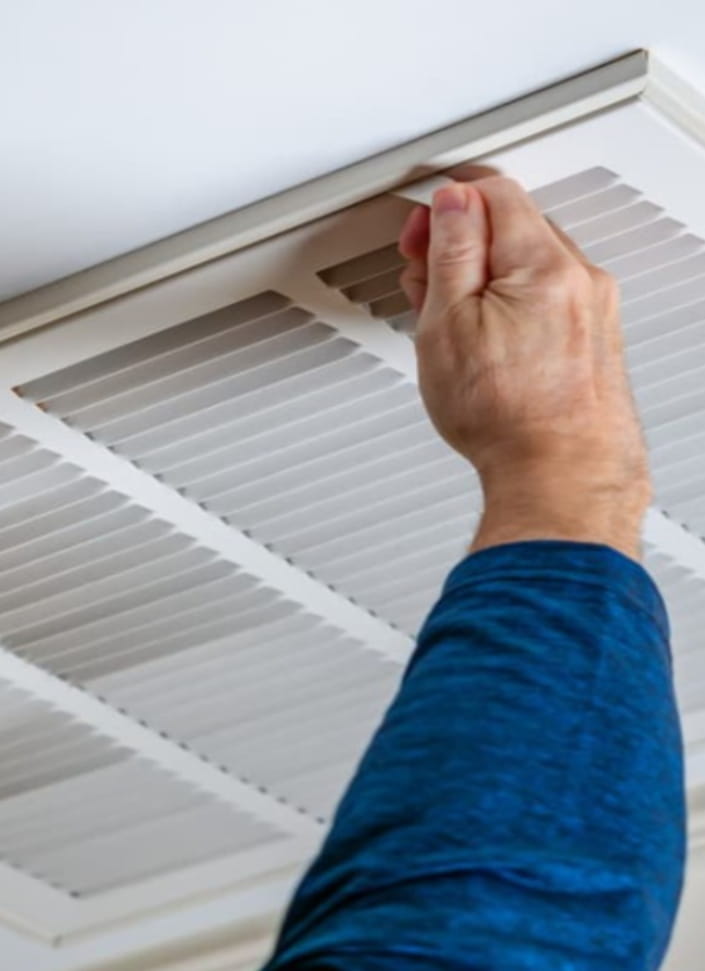
Air filters collect all sorts of things like dust, pollen, and pet hair. If you left yours dirty before heading out for the summer, it probably isn’t helping your airflow, and might even make your place smell a little funky later on. If the filter got wet from a leak or some condensation, you really need to check it.
Good news is, checking the filter’s easy. Just switch off the system, follow the manufacturer’s instructions for that, find the filter, and take a look. If it’s dirty, damp, damaged, or just old, swap it out. Make sure your new filter actually fits your system.
And if you still notice that musty smell after giving your filter a fresh start, don’t just keep buying new ones. There’s probably something else going on, maybe inside the equipment, the drain, or even the ductwork.
5. Moisture in Your Ductwork
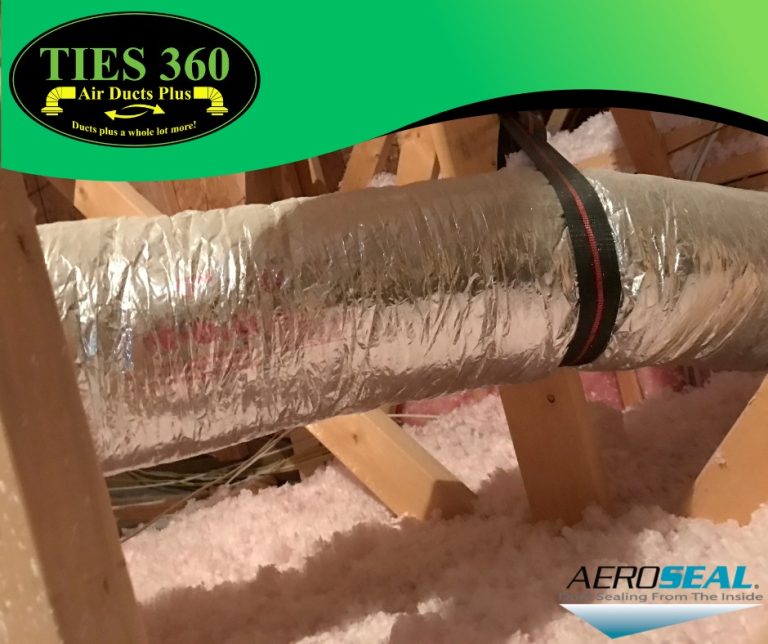
Your ductwork moves air all over your house, keeping every room comfortable. If part of those ducts gets wet, maybe from a roof leak, busted pipe, or just Florida’s sticky humidity creeping in through a gap, you’ll probably start noticing a musty smell that just won’t go away.
This is a big deal in Florida homes, where ductwork often comes through blazing-hot attics or other areas that get blasted by summer humidity. Once you switch the AC back on, that smell doesn’t just stay there, it rides the airflow, popping up in different rooms.
Pay attention to where the smell seems worst. Sometimes you’ll also spot clues like water stains, soggy insulation, or pieces of ductwork that look worse. Those are signs it’s time to look closer.
Call a qualified HVAC contractor. Let them track down where the moisture’s coming from and inspect the ductwork that got hit. Don’t bother with repairs or cleaning until you fix the actual water problem otherwise, the smell and the mess will just come back.
And here’s a common myth: you don’t always need duct cleaning just because your AC smells musty. Good professionals will only recommend cleaning if the inspection really shows it’s necessary not just because of the smell.
Does the Smell Mean There Is Mold in AC System?
If you notice a musty smell after a humid Florida summer, it’s natural to worry about mold. Mold loves damp areas, especially where moisture and nutrients stick around drain pans, evaporator coils, insulation, and ductwork.
However, a musty odor doesn’t necessarily mean you have mold. Sometimes, stagnant water, built-up dirt, or wet materials can cause the same smell. Still, keep an eye out for other hints like patches of growth, areas that stay damp, persistent leaks, or smells that come right back after you clean.
So, what should you do? If you suspect mold in AC system, schedule an inspection. Someone can check where moisture’s coming from and see if there’s any obvious mold. If they spot a big mold problem or it’s affecting the building materials, it’s best to call a remediation specialist, preferably from Ties360.
Above all, fix the source of moisture. Cleaning the mold but leaving the conditions that caused it guarantees you’ll be dealing with the same thing over and over.
And if anyone in your home starts having worrisome symptoms that seem connected to indoor air or mold, get medical advice as you tackle the moisture issue.
Schedule HVAC Maintenance Before Settling In
If you’ve been away for a while, your HVAC system probably needs more than just a quick tap on the thermostat. When your AC sits unused for months, especially if it smells weird, seems damp, or isn’t cooling like it should, it’s wise to schedule a professional maintenance visit before you count on it through the hot season.
A technician will look at the nuts and bolts, like the condensate drain, evaporator coil, electrical parts, filters, and whatever ductwork they can reach. They’ll also test how the system runs and catch any problems that might’ve popped up while the house was empty.
If you’re a seasonal resident, the classic snowbird HVAC maintenance routine helps you:
- Get the HVAC checked after you get back
- Swap out filters when needed
- Keep an eye on indoor humidity
- Tackle any roof leaks or water issues right away
- Have someone check on the place once in a while if you’re away for a long stint.
Right before you leave Florida again, set your thermostat and humidity controls according to the manufacturer’s advice. Shutting everything down for months might let moisture creep in, so don’t just flip the switch without a plan. Every home is different, so play it safe and make sure you prep your system before you hit the road.
Wrapping Up
Nobody wants to walk into their winter home and be greeted by that musty AC smell. But don’t jump to conclusions, it’s not always a sign of serious mold. Think of it as a nudge to look around, not a reason to freak out. Sometimes it’s just Florida’s humidity hanging around, or maybe a clogged drain, dirty coils, a forgotten filter, or damp ducts throwing things off.
Start with the easy stuff. Check for leaks or any signs of water where it shouldn’t be. And if the smell just won’t go away, or you notice anything weird, it’s smart to call an HVAC professional from Ties360. Catching moisture problems early keeps your place comfortable and keeps those weird odors from coming back. So, before you settle in for winter, make sure your AC is ready to welcome you home.