Lyme Disease, Mold Sensitivity & Indoor Air: What You Need to Know
Living with Lyme disease isn’t just about managing the symptoms; it’s about considering your whole environment. A lot of people who still feel unwell after treatment say they’re especially sensitive to things like mold or dampness indoors. This raises a lot of questions about whether there’s a link between Lyme disease, mold exposure, indoor air quality, and Chronic Inflammatory Response Syndrome (CIRS).
Still, it’s good to remember what science actually tells us and what’s just guesswork. Lyme disease comes from bacteria spread by blacklegged ticks. Even after treatment, some people still deal with lingering problems like fatigue, aches, or “brain fog.” The Centres for Disease Control CDC admits no one really understands why these issues drag on, and similar symptoms can show up with all kinds of other conditions.
Mold, on the other hand, is a clear indoor air problem. Damp places invite mold growth, and breathing it in can set off allergies or make it hard to breathe for some people. Your HVAC has a hand in all of this and can be a reason for lingering issues. Find out more about Lyme disease and how mold sensitivity and indoor air contribute to complete recovery in this article.
The Connection Between Lyme Disease, Mold Sensitivity & Indoor Air
Lyme disease and mold exposure are two totally different issues: one is an infection from the Borrelia burgdorferi bacteria, and the other happens when you breathe in mold spores or other stuff from fungus in your surroundings.
There’s no solid proof linking mold exposure to the cause of Lyme disease, or saying it’s behind lingering symptoms after Lyme. Still, if you already have Lyme, you might also be dealing with allergies, asthma, or some respiratory sensitivities. In that case, what’s floating around indoors really matters.
Mold and damp places can make things worse for people. You might end up with:
- A stuffy nose
- Coughing
- Wheezing
- Irritated eyes or skin
- Allergic reactions
- Stronger asthma symptoms.
The U.S. Environmental Protection Agency (EPA) points out other triggers indoors too, like bacteria, pollen, dust mites, and just about any biological contaminant can mess with air quality.
If you’re fighting ongoing symptoms, checking for environmental issues at home like mold can actually help you feel better. But that doesn’t mean every weird symptom you have is because of mold. Indoor air quality is just one part of your overall health, not the whole story.
Can Mold Exposure Affect People Living With Lyme Disease?
Mold can cause problems for anyone, whether or not they have Lyme disease. People react differently: some barely notice it, while others are really sensitive and get hit with allergies or asthma attacks. If you already struggle with asthma or allergies, mold just makes things worse.
For people dealing with Lyme disease, it’s easy to get confused. Symptoms like fatigue, headaches, and brain fog could mean a lot of things. That’s why the CDC tells people with lingering symptoms after Lyme to talk to their doctor instead of blaming everything on Lyme. The same goes for mold. Just because your house smells musty doesn’t mean mold is the reason you feel tired or sick all the time. That said, if you know for sure there’s a mold or moisture problem at home, it’s worth dealing with as mold really can mess with indoor air quality.
When should You be concerned about mold?
So, when should you worry? Pay attention if you notice:
- A musty smell that won’t go away
- Actual mold you can see
- Water damage
- Dripping HVAC equipment
- Wet insulation
- Condensation that keeps coming back
- High indoor humidity
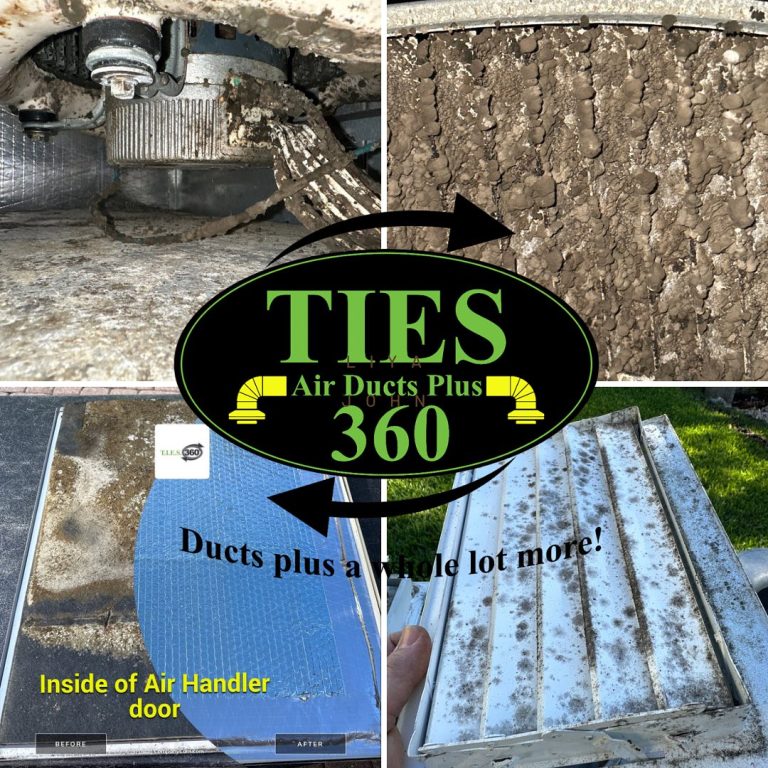
- Mold around the air vents.
These things don’t guarantee mold is behind your health issues, but they mean something’s wrong at home and it’s smart to check it out.
The Possible Connection Between Lyme Disease, Mold, and CIRS
Chronic Inflammatory Response Syndrome, or CIRS, is a term some doctors use when talking about a cluster of long-lasting symptoms they link to biotoxin exposure: things you might find in water-damaged buildings. The idea has gotten popular with people who’ve struggled for years with things like Lyme disease or other tough-to-diagnose conditions.
However, CIRS is still controversial. There’s no official, agreed-on way to diagnose it, and the link between mold, mycotoxins, and all these symptoms aren’t solid, at least not according to most of the research out there. We do know that moldy, damp buildings can make allergies and breathing problems worse. But saying mold exposure definitely causes a whole-body illness like CIRS is still up for debate.
People talk a lot about mycotoxins in the CIRS conversation. These are toxic substances some molds produce, but just finding mold in your home, or even a mycotoxin, doesn’t mean you have CIRS or that the mold is causing your symptoms.
So, if you’re dealing with Lyme disease or you’re worried about mold, the best thing to do is tackle any clear issues with your environment and team up with a doctor who takes your symptoms seriously. That way, you can start figuring out what’s really going on.
How HVAC Systems Can Contribute to Mold and Indoor Air Quality Concerns
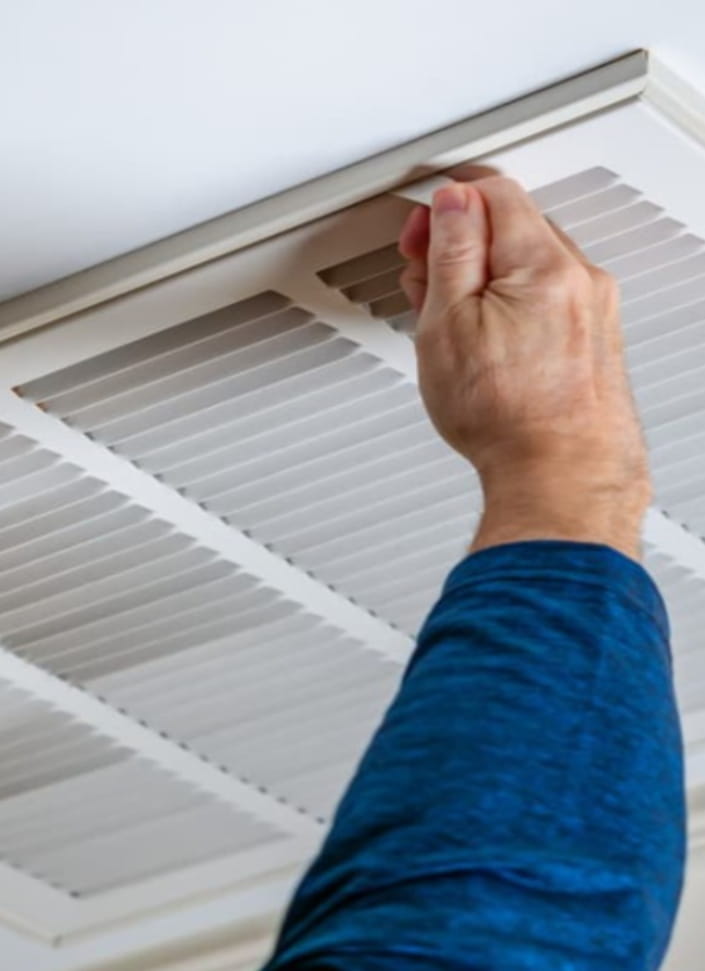
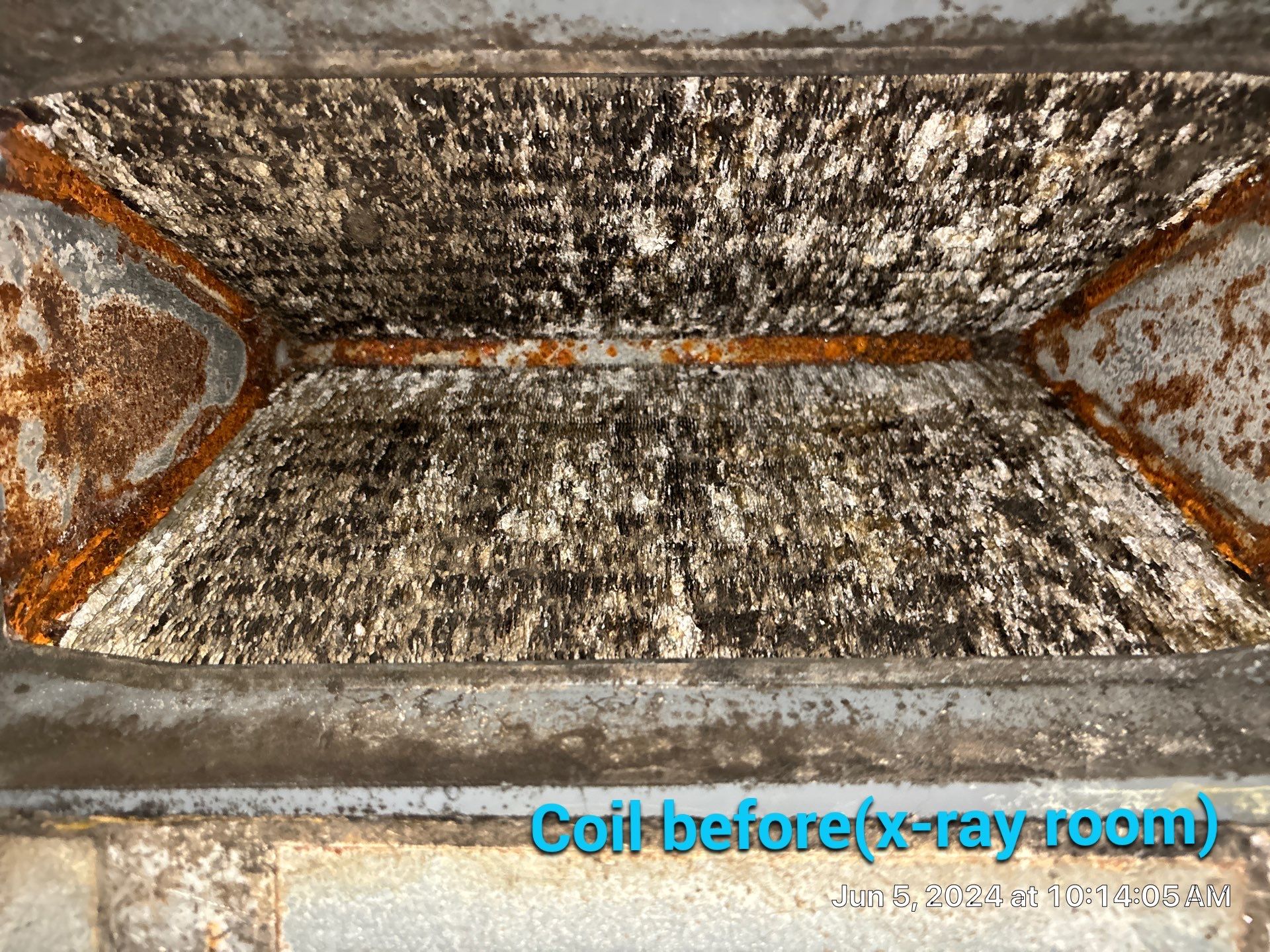
Your HVAC system is always pushing air through your house, which keeps things comfortable. But if too much moisture builds up, some parts of the system can turn into breeding grounds for mold. The EPA warns that if your HVAC system has a moisture problem, it’s not just confined to one spot; mold can start growing inside, and your system can spread it all over your home.
Here are some common moisture problems people run into with HVAC systems:
- Clogged condensate drains
- Standing water in the drain pan
- Leaky parts
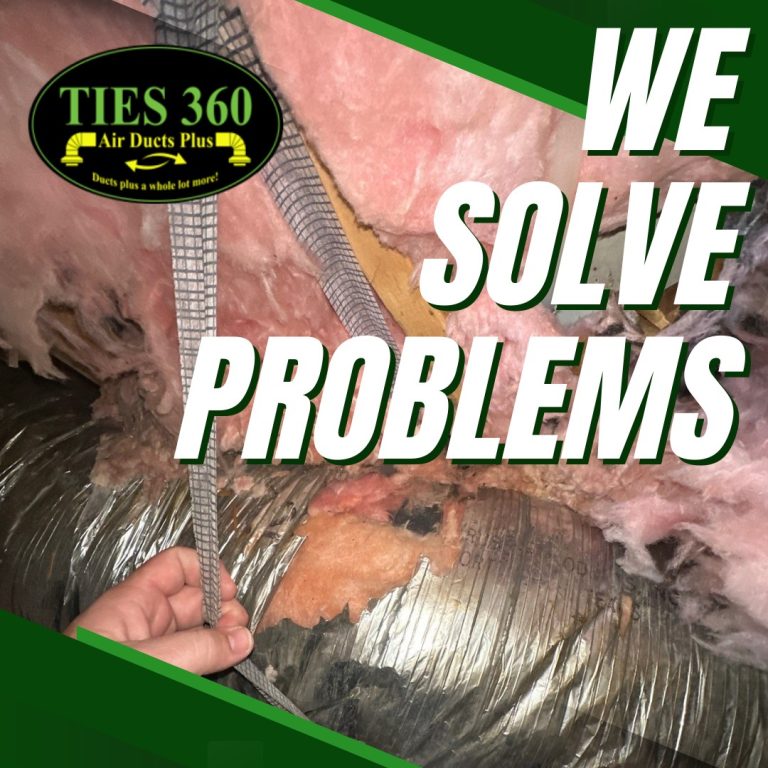
- Wet insulation
- Condensation building up on ducts
- Ducts that aren’t sealed properly
- High indoor humidity
- Water getting in around the HVAC unit
Controlling moisture is the key to stopping mold before it ever becomes an issue. The EPA suggests keeping your indoor humidity under 60%, and if you can, aim for somewhere between 30% and 50%.
What about dirty air ducts?
Dirty ducts aren’t automatically a health hazard. The EPA actually says you don’t need to clean your ducts on a regular schedule. You should clean them only if you spot a lot of visible mold inside, if you find vermin nesting in the ducts, or if so much dust and debris collects that it’s blowing back into your house.
If the insulation inside your ductwork gets wet or moldy though, cleaning usually won’t cut it. You’ll probably need to replace that section. And don’t forget, it doesn’t make sense to clean up without fixing the moisture problem first; otherwise, the mold just comes right back.
How to Reduce Mold and Indoor Air Quality Risks in Your Home
Worried about mold? Start by tackling moisture first—find out where it’s coming from and take care of it. Here are some practical things you can do:
- Fix leaks quickly: Whether it’s a drip in the plumbing, something wrong with your roof, or a problem with your HVAC, don’t let water sit around.
- Control humidity: Try to keep indoor humidity below 60%. Somewhere between 30% and 50% is even better.
- Maintain your HVAC system: Get it checked and serviced when needed. Don’t just set it and forget it.
- Replace filters: Change your filters on time. Follow whatever the manufacturer says about replacement schedules.
- Watch for condensation: Those damp spots around windows, vents, ducts, or your HVAC can be a sign something’s off.
- Address water damage: Dry things out fast, and if something got ruined, replace it instead of just hoping for the best.
- Investigate musty odors: Don’t just cover it up with air freshener; figure out what’s causing it.
- Avoid disturbing significant mold: If you see a lot of mold or think your HVAC is involved, don’t handle it yourself. Get a professional in to assess what’s going on.
- Talk to your healthcare provider: If you’ve got symptoms that won’t quit, talk to your doctor. Don’t just assume it’s mold without checking.
If you suspect that your HVAC system is contaminated with mold, the EPA says to get expert advice before you do anything. Don’t run your system if you know or suspect there’s mold, it can blow it through your whole house.
When Should You Consider Professional HVAC Help?
So when do you call in the pros for your HVAC? A professional can check for issues with moisture, ductwork, airflow, or contamination and recommend what needs to be done. Solutions might include:
- HVAC repairs
- Moisture control
- Cleaning ducts or other components
- Replacing damaged parts
- Improving filtration
- Sealing up leaky ducts
Remember that the real goal is to fix what’s actually causing the problem. Don’t just jump to duct cleaning unless it’s really needed.
Wrapping Up
People often lump Lyme disease, mold sensitivity, and CIRS together. But they’re not the same thing at all. Lyme disease is a tick-borne infection. Mold exposure is a common issue in homes, something everyone knows to watch out for. CIRS, on the other hand, is still debated. Scientists haven’t pinned down its connection to mold or mycotoxins yet.
When a home has moisture and mold, air quality goes downhill fast. And when those problems increase, your HVAC system can easily get tangled up in the mess, spreading mold or making things worse.
If you’re dealing with Lyme disease and you’re worried about your home, start simple. Trust your senses and look for real clues: a musty smell, visible mold, water stains, condensation on windows, or odd moisture inside your HVAC. Fixing these issues makes your space healthier and more comfortable—especially important while you’re sorting your health with your doctor.
And if your HVAC’s part of the problem, Ties360 can step in. They’ll inspect your system and tackle whatever’s going on with your ducts and air quality, so you can breathe easy at home.