What Is CIRS? And Why Your Air Ducts Could Be Making It Worse
Most of us don’t think twice about indoor air quality until there’s a problem like a strange smell, an allergy flare-up, or that musty scent you just can’t get rid of. Your HVAC system does a lot more than just keep things comfortable. It pushes air all over your house, and if there’s a moisture leak, mold, or any kind of major gunk inside, it gets circulated, too. When mold pops up in your HVAC, it’s not just an eyesore; it can actually make the air inside your home less healthy.
That’s especially troubling for folks who think their headaches, sneezing, or brain fog have something to do with mold or general dampness at home. You might’ve heard of Chronic Inflammatory Response Syndrome, or CIRS, in these conversations about mold.
Some doctors call CIRS a complicated illness that ties together exposure to biotoxins like the ones that grow in water-damaged buildings.That said, CIRS isn’t the same as the mold-related health effects everyone agrees on in the scientific community. There’s ongoing debate about how CIRS should be diagnosed and treated.
So, where does your HVAC system fit in with all this talk about CIRS? Here’s the real question: How are mold, mycotoxins, air ducts, and the air you breathe all connected? Let’s break it down.
What Is CIRS?
Chronic Inflammatory Response Syndrome, or CIRS, is the name medical experts use for a long-lasting, complex inflammatory illness they link to exposure to biotoxins like those found in water-damaged buildings. People who think they have CIRS often talk about a mix of symptoms: low energy, headaches, brain fog, breathing problems, trouble sleeping, sinus pressure, sore muscles or joints, and just feeling extra sensitive to certain places.
But here’s the thing: these symptoms aren’t specific to CIRS. Lots of medical conditions show up the same way. On top of that, there’s still no official definition for CIRS, and plenty of experts are still debating whether exposure to mold and mycotoxins really causes it.
That doesn’t mean you can relax about mold in your home, though. Mold exposure can be a real problem, and the health risks tied to damp, moldy buildings are well documented. According to the CDC, breathing in mold can make your nose stuffy, give you a sore throat, lead to coughing or wheezing, make your eyes itch, and irritate your skin. People with asthma or mold allergies usually have an even rougher time. And if your immune system is weak, although it’s rare, you could get a serious mold infection.
The most important thing is to deal with mold and moisture in your home, whether or not you’ve heard of CIRS, as they are not a thing to ignore.
How Mold and Mycotoxins in HVAC Systems May Affect Indoor Air Quality
Mold thrives on moisture. So, keeping things dry is basically the number one way to keep mold from showing up inside. The EPA points out that when there’s too much moisture or standing water indoors, mold can start growing fast, and the best defence is always to control that moisture.
Your HVAC system can play a big role here, whether you realise it or not. If moisture builds up in or around any part of your HVAC, that’s an open invitation for mold. Here’s where problems usually pop up: condensation on or near the cooling parts, blocked condensate drains, water leaks, damp insulation, leaky ductwork, high humidity inside, and any water damage near the equipment.
If mold starts growing in or around your HVAC system, it won’t just stay there. The system can actually blow mold spores throughout the entire building, spreading the problem quickly. The EPA even warns that any HVAC system dealing with moisture is not just at risk for mold growth; it can actually help spread mold everywhere inside. So, in short, keeping moisture in check keeps mold at bay, especially when it comes to your heating and cooling setup.
What are mycotoxins?
Mycotoxins are chemicals that some molds make when the conditions are just right. People talk about them a lot in connection with CIRS, since some theories link CIRS to mycotoxins and other things made by microorganisms in water-damaged buildings. But just spotting mold or finding mycotoxins doesn’t prove someone has CIRS. The health effects of indoor mold depend on what kind of mold you’re dealing with, how much you’re exposed to, your own health, and the environment itself. So, if you’re a homeowner, the first thing to do is find and fix any real moisture or mold issues, instead of blaming every symptom on mycotoxins.
Can Dirty Air Ducts Make CIRS Symptoms Worse?
There’s not enough scientific evidence to say dirty air ducts actually cause CIRS, or that cleaning them will fix it. But this is sure: HVAC systems that are contaminated can definitely make indoor air quality worse.
If your HVAC has a bunch of mold growing in it and it’s running like usual, those mold spores can spread all over the building. That’s why the EPA says if you suspect mold in your HVAC, check it out and fix any moisture problems that could be feeding the mold.
If you have symptoms and think they’re tied to being indoors, it makes sense to limit your exposure to spots where there’s confirmed mold. Some things to watch for with HVAC systems are:
- Mold on or near the equipment
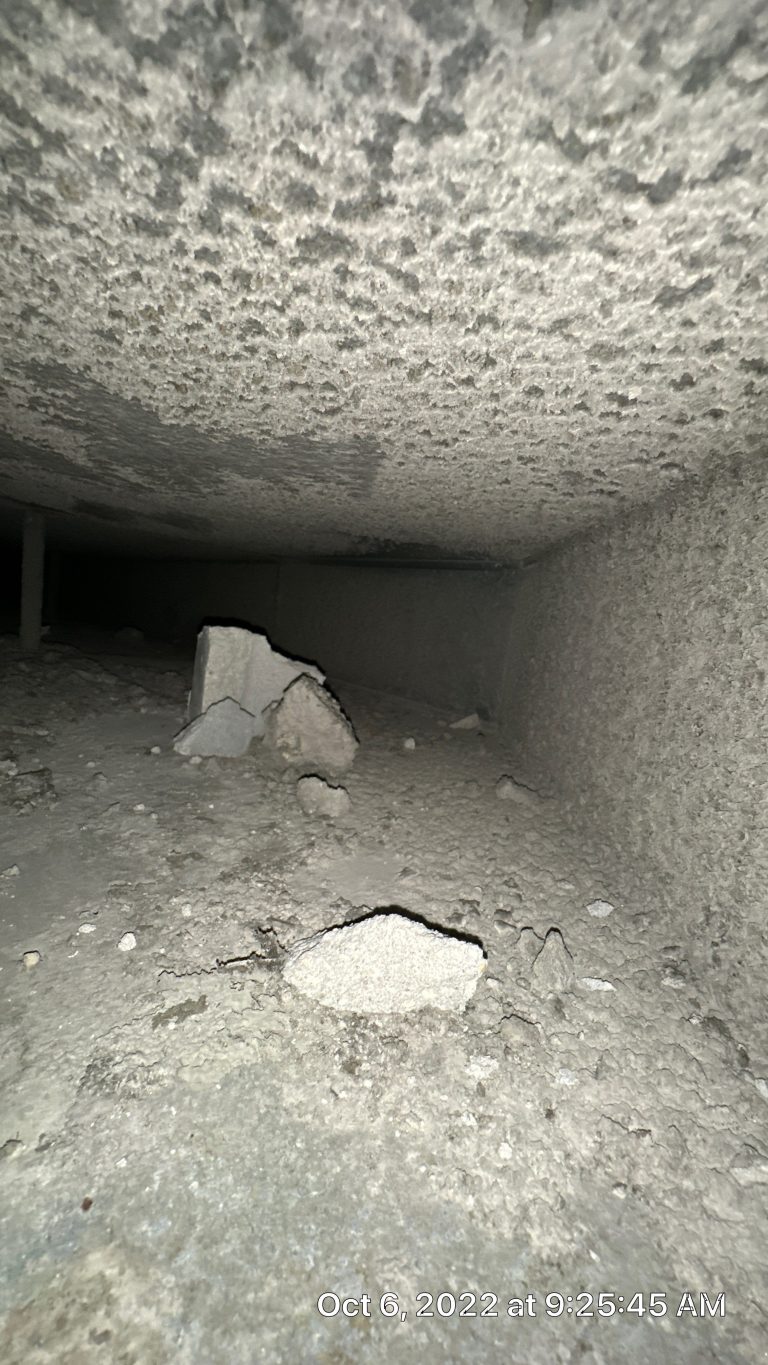
- Heavy dust or debris
- Signs of pests
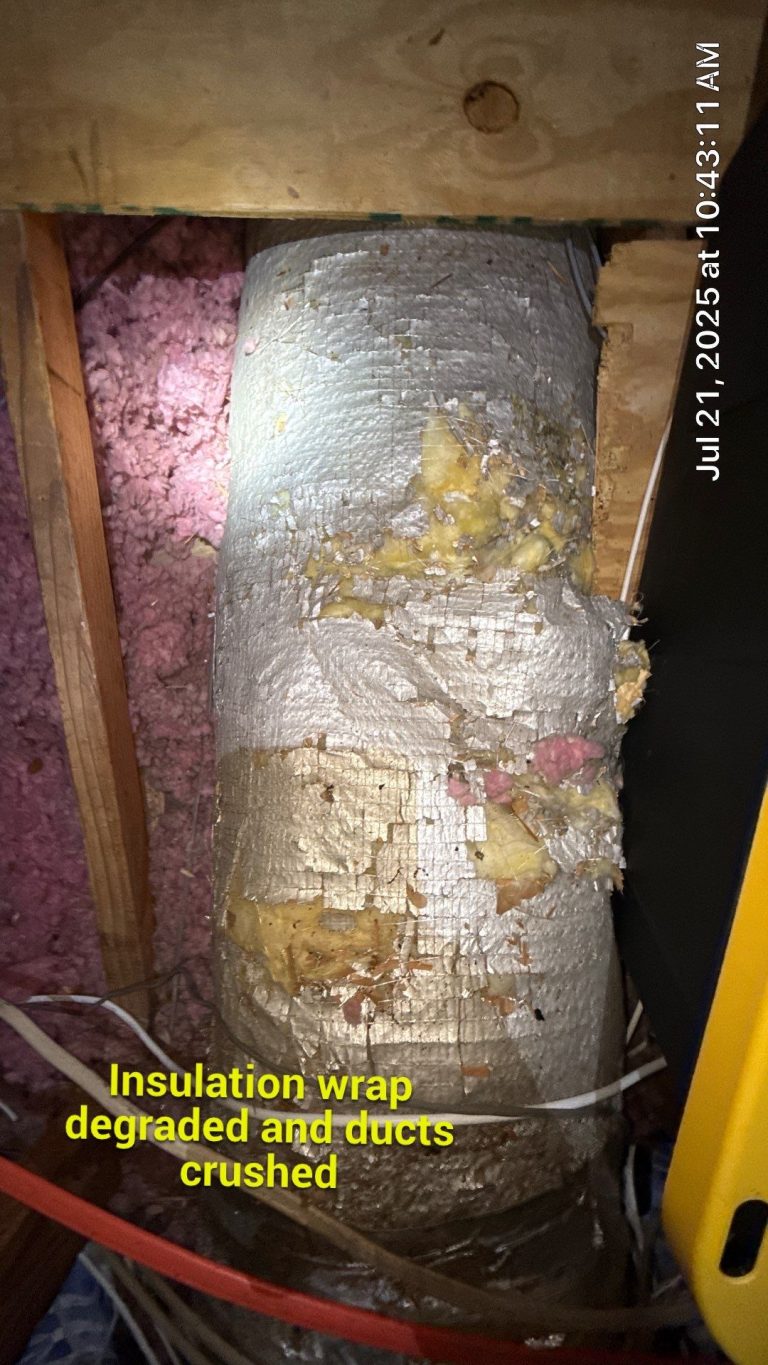
- Water-damaged insulation
- Leaks
- Mold growth around air intakes
- Poorly maintained condensate systems
The U.S. Environmental Protection Agency (EPA) says there’s no strong proof that regular duct cleaning is some magic fix for your health. It’s really only recommended when there’s obvious mold inside metal ducts, pests have moved in, or there’s so much debris that it’s actually blowing out into your rooms. Otherwise, you’re probably fine to just keep an eye on things and deal with issues as they come up.
Signs Your HVAC System May Be Contributing to Mold and Indoor Air Quality Problems
You can’t always tell if your ductwork is in good shape just by peeking into an air vent. Some red flags that show your duct is dirty and definitely mean it’s time to call in a professionals such as:
- Musty odors: If you keep noticing musty smells, there’s probably moisture or mold lurking somewhere and is a sign that you should check things out.
- Visible mold: If you spot any visible mold around the system, vents, or even on nearby materials, don’t brush it off, rather investigate further.
- Water or condensation: Recurring moisture or condensation around the HVAC system is another concern since it creates a perfect environment for mold.
- Excessive debris or pest activity: If you’re seeing a lot of dust or debris inside the ducts, or evidence of pest activity like insects and rodents, it’s smart to get those checked out. Their waste and debris can mess with your air quality.
- Persistent indoor air concerns: If you keep dealing with strange smells or find yourself with irritated sinuses or lungs, it’s worth digging deeper into possible sources inside your home.
If you suspect there’s mold inside your HVAC system, don’t take it lightly. The EPA says running a contaminated system can spread mold throughout the building. And if you’re experiencing health symptoms, talk to a qualified healthcare professional. Don’t just assume it’s mold or CIRS without getting a proper opinion.
How HVAC Inspection and Duct Cleaning Can Help Address Mold-Related Air Quality Concerns
Duct cleaning makes sense if you know there’s an issue, but don’t expect it to solve every mold problem on its own. You really need to inspect the whole HVAC system and understand what let the mold show up in the first place.
Here’s what that means in practice:
- You inspect the ducts you can reach
- Look for obvious mold
- Identify moisture sources
- Check the drains and pans for any leaks
- Make sure the insulation isn’t waterlogged
- Inspect all the HVAC parts
- Clean us excess dust and debris
- Fix or swap out any damaged materials
- Correct underlying moisture problem
Taking care of the moisture problem matters most. Clean all you want, but if you don’t cut off the moisture, the mold will just keep coming back. The EPA puts it simply: controlling moisture is the key to stopping mold indoors.
Why Choose Ties360 for HVAC Mold Concerns?
If you are concerned that your HVAC system may be contributing to mold or indoor air quality problems, Ties360 is the go-to professional HVAC company to help identify and address the underlying issue.
Ties360 can help you spot HVAC and ductwork conditions that may contribute to indoor air quality concerns. The goal is not simply to sell duct cleaning but to determine what is actually happening inside the HVAC system and identify the appropriate solution.
That may involve:
- HVAC inspection
- Identifying moisture-related problems
- Checking out the ductwork
- Cleaning contaminated components
- Replacing damaged materials
- Correcting conditions that could allow mold to return
The team at Ties360 can check out your HVAC system, hunt down duct problems or moisture sources, and help you figure out whether you need a cleaning or something else.
If you have symptoms that won’t go away and no one can explain them, talk to a healthcare professional. Your building’s environment, including the HVAC, could be a factor, but the HVAC isn’t a doctor. You still need a proper medical evaluation and care.