How Poor Air Quality Affects Autoimmune Conditions
Indoor air quality matters for everyone, but it’s a big deal if you’re living with a chronic illness. If you have something like lupus, MS, or rheumatoid arthritis, you probably already know what it’s like to deal with inflammation, pain, fatigue, or trouble breathing.
Bad air inside your home doesn’t actually cause autoimmune diseases, but things like pollen, dust, smoke, and mold can make breathing harder and bring on more inflammation. Studies even link outdoor air pollution with some autoimmune conditions, though how strong that link is depends on the illness and the specific pollutants.
If you spend lots of time indoors, it’s smart to care about the air you breathe. It’s one more thing you can control when your health feels unpredictable. In this article, we’ll explore how poor air quality can affect people with autoimmune conditions.
How Poor Indoor Air Quality Can Affect People With Autoimmune Conditions
Indoor air quality is all about the air you breathe inside your home, office, or any indoor space. It’s easy for both indoor and outdoor pollutants to sneak in and mess with it. The usual suspects are:
- Dust and dust mites
- Old
- Pet dander
- Pollen
- Smoke
- Harsh cleaning chemicals
- VOCs
- Fine particles
- Bad ventilation
- Too much humidity
According to the EPA, things like mold, dust mites, pollen, bacteria, and allergens from pets can all impact the air quality indoors. If someone already deals with health issues, these things hit even harder as they’re just more sensitive.
If you live with an autoimmune condition, bad air is just one more thing your body has to fight. All those irritants like dust or chemicals can trigger coughing, congestion, a scratchy throat, headaches, or make it harder to breathe.
That said, getting symptoms after staying in a building doesn’t always mean your autoimmune disease is flaring up because of that environment. Autoimmune issues are tricky; they have all sorts of triggers and can act up for lots of reasons.
Still, it’s worth it to keep your indoor air cleaner. Cutting down on avoidable irritants just makes your home a little safer and helps everyone breathe easier.
Mold, Indoor Air Quality, and Autoimmune Diseases: What the Research Shows
Mold comes up a lot when people talk about indoor air quality. It tends to show up wherever there’s moisture like near leaks, condensation, damp walls, or anywhere that just stays humid for too long.
The U.S. Environmental Protection Agency (EPA) says mold can churn out allergens and irritants, and being around it can trigger allergies, breathing problems, or asthma flare-ups, especially if you’re someone who’s already sensitive to mold.
There’s a difference between health problems we know are tied to mold and people’s concerns about mold causing autoimmune diseases. Right now, there’s not enough solid proof that household mold directly causes lupus, MS, or rheumatoid arthritis. Scientists are still looking into how our environment, in general, might connect to these conditions, and a lot of the focus has actually been on air pollution, not so much on household mold.
Some studies have found a link between air pollution and certain autoimmune diseases like rheumatoid arthritis and lupus. They think it might have something to do with oxidative stress and the way pollution messes with your immune system. A recent review from 2025 even found a connection between being exposed to dust at work or in the environment and higher risk for autoimmune diseases, though the details seem to change depending on the kind of dust and the specific disease.
What all this means is: Poor air quality isn’t going to affect everyone with an autoimmune condition the same way. But these findings make it clear that figuring out how what we breathe in affects our health is still a big, open question for medical researchers.
Can Mold Exposure Worsen Symptoms of Lupus, MS, or Rheumatoid Arthritis?
Mold can definitely mess with your breathing and trigger allergies, but science hasn’t really proved that household mold actually makes lupus, MS, or rheumatoid arthritis worse. Still, it’s not a good idea for anyone with an autoimmune condition to shrug off visible mold or damp spots at home.
If mold is making your nose, throat, lungs, or skin feel itchy or irritated or if it’s causing allergy symptoms, you end up feeling even worse on top of everything else. That’s tough, especially if you’re already dealing with a complex illness.
People sometimes notice their symptoms flare up more in certain places, but just because there’s a pattern doesn’t mean mold is triggering an autoimmune episode. If your lupus, MS, or rheumatoid arthritis flares are changing, or your symptoms feel more intense, talk to a doctor. They can sort out whether it’s your condition, an infection, meds, allergies, or maybe something in your environment.
Bottom line: clean air matters. Fix water leaks, keep your place dry and tidy, and don’t let mold build up. This just helps cut out extra health headaches you don’t need.
How HVAC Systems Can Contribute to Mold and Poor Indoor Air Quality
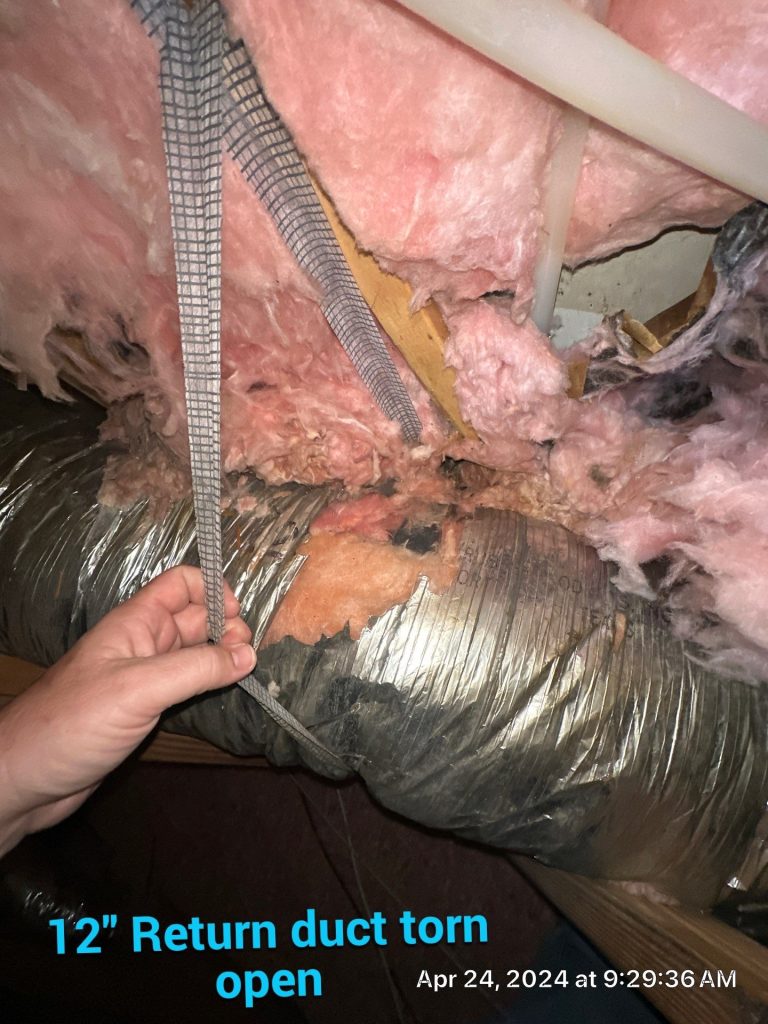
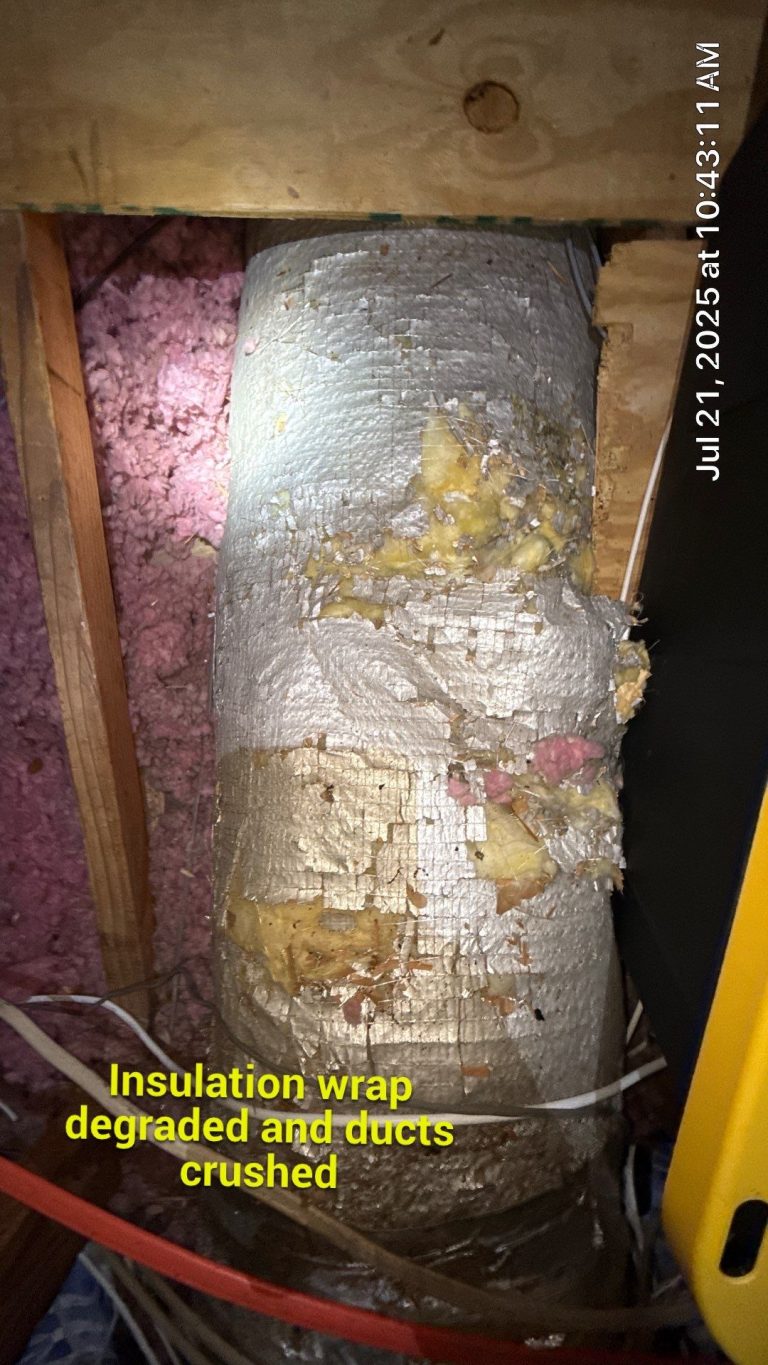
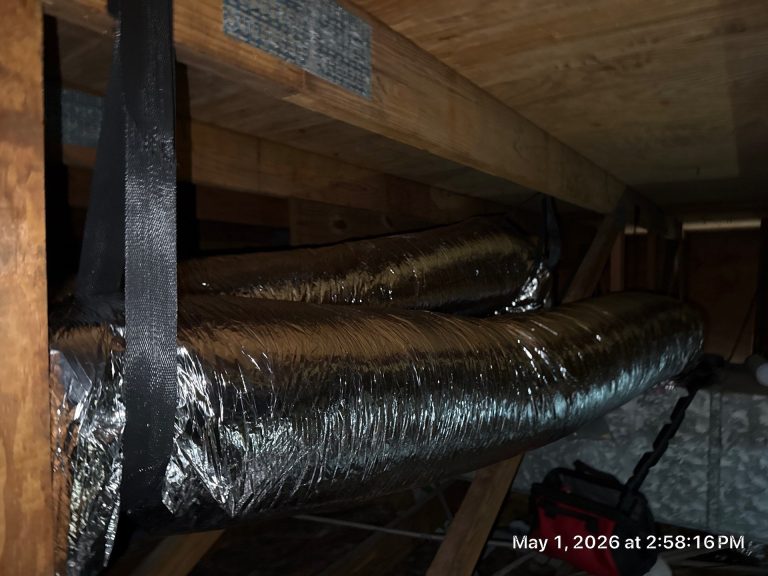
Your HVAC system does a lot more than just keep you comfortable; it keeps the air you breathe moving and (hopefully) clean. If you stay on top of maintenance, things like filtration, proper ventilation, and controlling moisture really help improve your indoor air. But when the system runs into trouble, your air quality can dive.
Here’s what you should look out for:
- Too much moisture near HVAC parts
- Condensation
- Dirty or clogged filters
- Drainage problems
- Water leaks
- Mold on damp equipment
- Dust piling up
- Not enough ventilation
- Dirty or contaminated air-handling parts
According to the EPA, when your central air system is contaminated, it can turn into a breeding ground for mold and other nasty stuff and those contaminants can end up spreading all over the building.
That said, don’t rush to blame every air quality problem on dirty ducts alone. Bring in a professional. They can check for actual contamination, water damage, or other HVAC issues.
Controlling moisture is very important. Mold thrives wherever there’s water. So, instead of just cleaning away mold when you see it, it’s best to hunt down and fix whatever’s causing the moisture problem in the first place. That’s how you really keep mold (and poor air quality) at bay.
How to Improve Indoor Air Quality for People Living With Autoimmune Conditions
You don’t need to turn your home into a sterile bubble to get better indoor air quality. Just pay attention to the main sources of pollution and keep your HVAC system and house in good shape through these best practices:
1. Watch the moisture
Leaks, condensation, water damage: make sure you don’t let these problems linger. Fix leaks quickly and deal with any signs of dampness. Mold loves humidity, so keep indoor humidity between 30% and 50% to keep it at bay.
2. Take care of your HVAC filters
Swap out or clean your HVAC filters as often as the manufacturer suggests. Dirty filters just make things worse; they block airflow and can’t catch particles effectively.
3. Deal with mold the right way
If you spot mold, don’t just cover it up with paint or pretend it isn’t there. Track down what’s causing the moisture and fix it. If it keeps coming back or covers a large area, call in a professional.
4. Get some fresh air
Letting your house breathe helps cut down on indoor pollutants. Use exhaust fans in kitchens and bathrooms, anywhere that gets humid. When the weather’s good, open some windows or bring in outdoor air if you can.
5. Cut down on indoor pollutants
Don’t smoke inside, and try to steer clear of harsh chemical fumes, extra dust, or other irritants whenever possible.
6. Bring in the pros when needed
If your home smells musty, you keep seeing moisture or mold, or there’s unexplained water around your HVAC equipment, get a Ties360 professional to check it out.
For people with lupus, MS, rheumatoid arthritis, or other chronic illnesses, cleaner air won’t replace healthcare, but it does help make your living space healthier. Keeping your HVAC system clean, dry, and maintained lowers your exposure to indoor pollutants and problems tied to moisture. If you’re worried about mold or moisture in your HVAC system or ducts, bring in an expert, they’ll know what to do next.
Managing your indoor air can’t stop an autoimmune disease, but it helps remove some triggers you just don’t need.
Conclusion
If you’re living with lupus, MS, rheumatoid arthritis, or another autoimmune condition, what’s in your home’s air really matters. Even though things like poor air quality and mold aren’t proven to directly cause these conditions, cutting down on indoor pollutants and excess moisture makes a difference and helps you breathe a bit easier.
Your HVAC system plays a huge role here. If your filters are clogged, there’s moisture or even mold inside, or you just haven’t kept up with maintenance, you’ll probably notice the difference in your air. Those problems can spread irritants all over the house.
Worried about what’s in your air? Ties360 can help. Their team handles HVAC inspections, regular maintenance, and duct cleaning. They’ll track down what’s messing with your air quality, then show you how to fix it.
If cleaner indoor air is what you want, reach out to Ties360. Schedule a professional assessment today and take a real step toward a fresher, healthier home.