Why Your Energy Bills Are High Even With a New AC Unit
A new air conditioner should give a huge sigh of relief, especially for your HVAC system. It promises cooler rooms and more efficient systems, which means lower electricity bills. It’s a shocker when your bills come back just as aggressive as before, and you can feel like your new AC is working against you.
If you’re wondering why your energy bills are high even with a new AC unit, the answer is not just one dramatic issue but a collection of small system inefficiencies that stack up. This article gives you 9 solid reasons why your energy bills are high, even with a new AC unit, and what you can do to help it.
Key Takeaways
- A new AC unit doesn’t mean lower bills if there are still hidden issues like air leaks, poor insulation and incorrect AC sizing.
- Installation quality and usage play a part in influencing how much the AC unit works. Poor setup and maintenance can quietly drain efficiency.
- External environmental factors like extreme heat and humidity can keep your bills high even with a new AC unit.
- To reduce costs, focus on maintaining the entire home ecosystem: seal air leaks, clean out dirty AC filters and optimise thermostat settings.
9 Reasons Your Energy Bills Are High Even With A New AC Unit
- Your Home Itself Might Be the Problem
A new AC unit doesn’t work in isolation. Poor insulation, drafty windows and gaps in doors can let the cool air out and let in hot air. Your new AC begins to work overtime to maintain the temperature, which burns more energy in the process. This is one of the most common reasons a new AC unit is not saving energy. If your home leaks air, your AC is engaged in a losing battle.
- Incorrect AC Size
One may think that a larger AC means better cooling and lower bills. In reality, the opposite is the case. An oversized unit cools too quickly and will shut off before completing a cycle. This can lead to frequent on and off cycling, which consumes more energy. An undersized unit will run constantly while struggling to meet the right temperature. Both scenarios show what causes AC inefficiency in a new system.
- Poor Installation Can Sabotage Everything
Poor HVAC installations can make even the most advanced AC unit perform poorly. Some installation issues can include leaky duct connections, faulty thermostat placements, and improper airflow setup. If you have a new air conditioner but the bill is still high, your installation quality should be your first suspect.
- Your Thermostat Settings Might Be Working Against You
Sometimes the problem is not with your AC but how you’re using it. Setting your thermostat too low doesn’t cool your home faster. Rather, it forces your system to work longer. Older or poorly placed thermostats can misread the room temperature, causing your AC to run longer than necessary. Simple thermostat adjustments can be crucial to saving energy.
- Dirty Filters and Coils Reduce Efficiency
Maintenance matters, new AC or not. Clogged air filters can restrict air flow and force your system to work harder. In the same way, dirty coils can reduce your unit’s ability to absorb and release heat properly. This is one of the simplest, yet most common reasons a new AC unit is not saving energy. A clean system breathes better and uses less energy doing so.
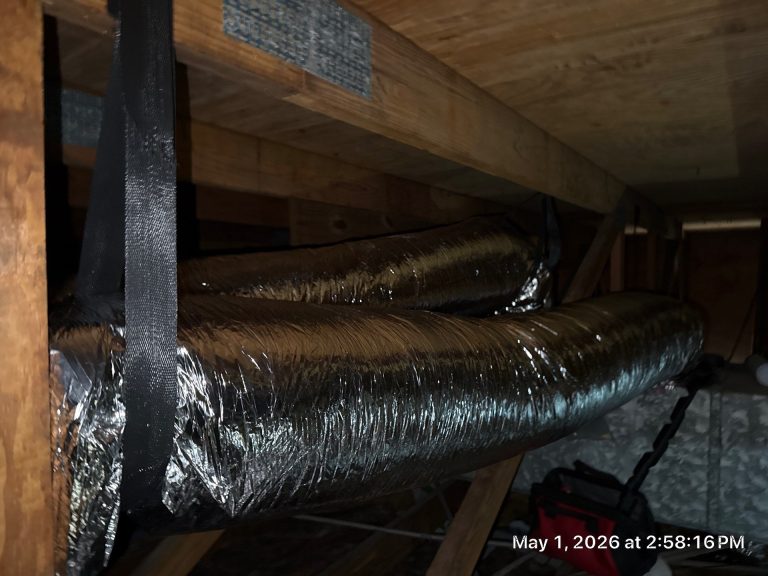
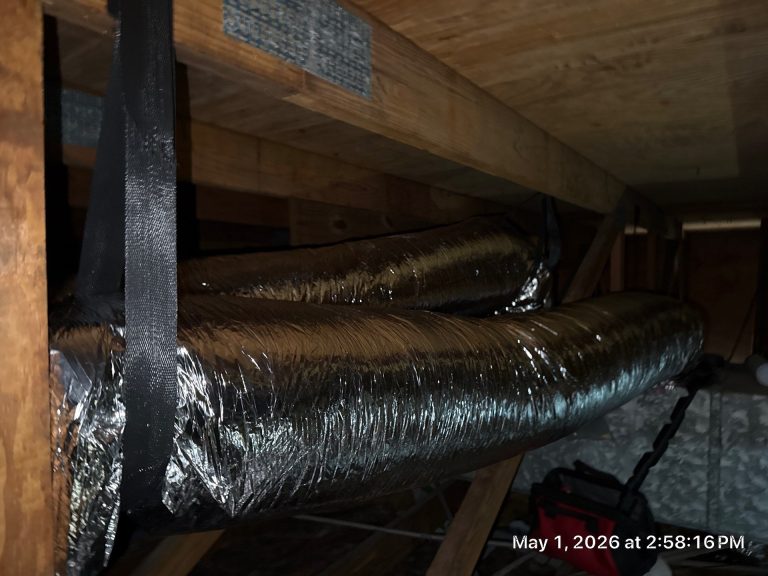
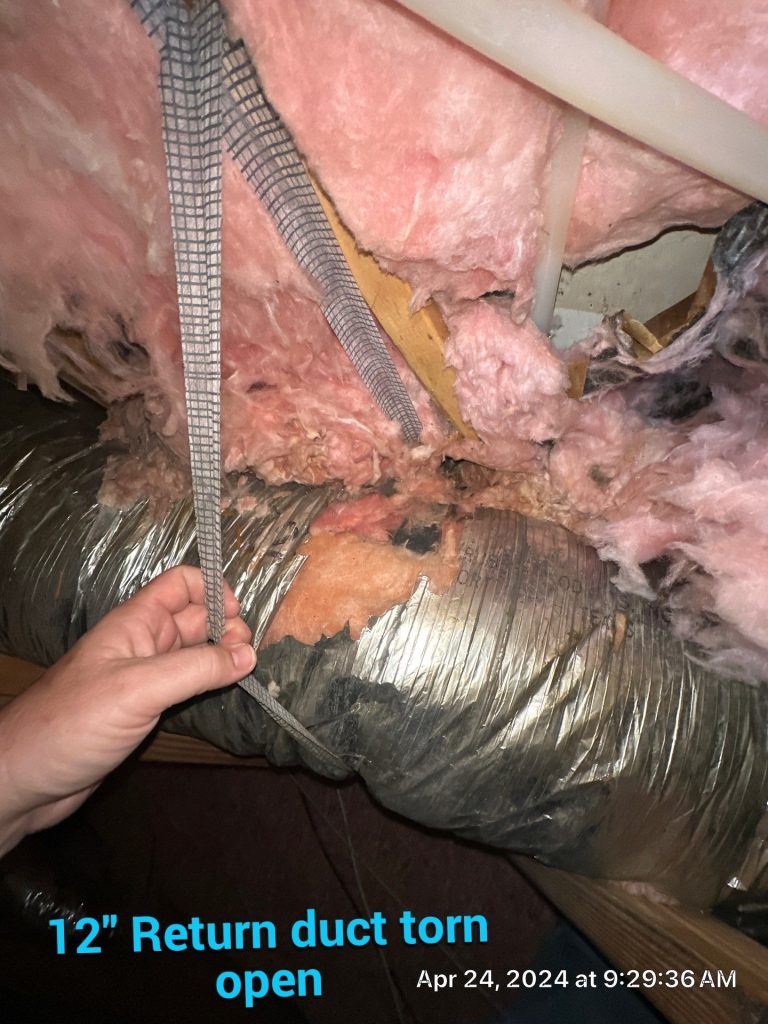
- Ductwork Issues Are Silent Energy Killers
If your home uses ducted air conditioning, the ducts could be the reason your AC is wasting energy. Leaks, cracks, and poor ductwork insulation can cause cooled air to escape before it reaches the intended spaces. Many times, up to 30% of conditioned air is lost this way.
- High Outdoor Temperatures and Climate Factors
If you live in a hot region, your AC is most likely fighting for its life. Extreme external temperatures can increase the workload of your unit. Even a new unit will use more energy to cool when it’s battling heat waves. Humidity is also a major factor that makes the air feel warmer, which forces your AC to run longer and harder to achieve comfort. This doesn’t mean your unit is faulty; it just means that it is working harder because of external factors.
- Other Appliances Are Driving Up Your Bill
Your AC may not be the reason you have high energy bills. Sometimes it can come from your electric water heaters, washing machines and dryers, lighting and even inefficient refrigerators. If you do not curb your appliance usage habits, your electricity bills may stay high even if your AC is efficient. This is why finding out why your energy bills are high, even with a new AC unit, still requires inspecting the entire home and not just an appliance.
- Your Energy Tariff or Billing Has Changed
Sometimes, you’re not spending more energy; your tariffs just got higher. Electricity tariffs may have got higher without you noticing, which can create an illusion that your AC is the problem. Before blaming your unit, compare your current energy rates with previous bills.
How to Reduce Energy Bills After Installing a New AC
Now that we’re clear on what could be the culprits, let’s talk solutions. If you want to reduce costs, here’s how to reduce energy bills after installing a new AC
Seal Your Home
Seal up gaps in doors and windows, and if possible, add more padding or insulation where needed to keep the cool air in and the heat out. This way, your AC provides the cool air for as long as it needs to.
Maintain Your AC Regularly
Clean or replace your air filters every 1-3 months. Schedule professional servicing at least once a year to make sure all parts of your HVAC are in optimal condition.
Optimise Thermostat Settings
Always aim for a comfortable but reasonable temperature (around 24–26°C). Use programmable thermostats so that you keep a regulated temperature even when you’re not there.
Check Your Ductwork
Have a professional inspect your ducts for leaks or poor insulation, and clean the ductwork in case of contaminants. Having an expert look at your HVAC is vital if you want it to last long.
Use Fans Strategically
Ceiling and standing fans help to circulate cool air faster, which reduces the workload on your AC and shortens the on-and-off cycles.
Frequently Asked Questions
What causes a high AC bill?
Dirty air filters, poor insulation and thermostat settings can be real reasons you have a high AC bill.
Do newer AC units use less electricity?
Modern AC units are built to have higher efficiency standards. These models typically use less energy.
How can I reduce my AC bill in Florida?
You can reduce your AC bill with regular maintenance and cleaning, proper insulation and optimal thermostat settings.
Wrapping Up
If you have a new air conditioner but your electricity bill is still high, it’s rarely because of the unit but a combination of different factors. These factors range from environmental factors to installation quality, insulation and everyday energy usage habits.
Your AC unit is just one appliance in a large energy ecosystem. When everything is working together, you can feel the difference both in comfort and cost. Handling these major factors can play a significant role in why your AC serves you more efficiently. Getting a Ties360 professional to inspect your home can be the difference between your comfort and high energy bills. Call in a technician today.