Old Insulation and Mold: What Homeowners Need to Know
Old homes carry a lot of history, but sometimes that history comes with a creeping villain: mold hiding in old insulation. It’s not loud, but it seeps in quietly, feeding on moisture and spreading.
Understanding the link between old insulation and mold is important if you want to maintain a healthy and energy-efficient home. This article will walk you through how mold appears, how to spot it, the risks it poses, and the best ways to prevent and fix it.
Key Takeaways
- Old insulation easily traps moisture, which turns attics into the best environments for mold growth, especially in humid areas or homes with poor airflow.
- Warning signs that there’s mold in a home include musty odors, damp insulation, discolouration, uneven temperatures and worsening allergies.
- Mold in insulation is risky not just to health but to structures and finances in costly repairs.
- Preventive methods against mold focus on moisture control, proper ventilation and regular inspections. Removal and complete replacement of contaminated insulation is also ideal, especially when done with professional help.
What Is the Link Between Old Insulation and Mold?
Insulation acts as a thermal blanket that protects your home from the cold. However, over time, that blanket can become damp and damaged. When there’s moisture, insulation becomes an incubator for mold spores. Mold grows in moist, warm and organic environments, and your attic checks all three boxes.
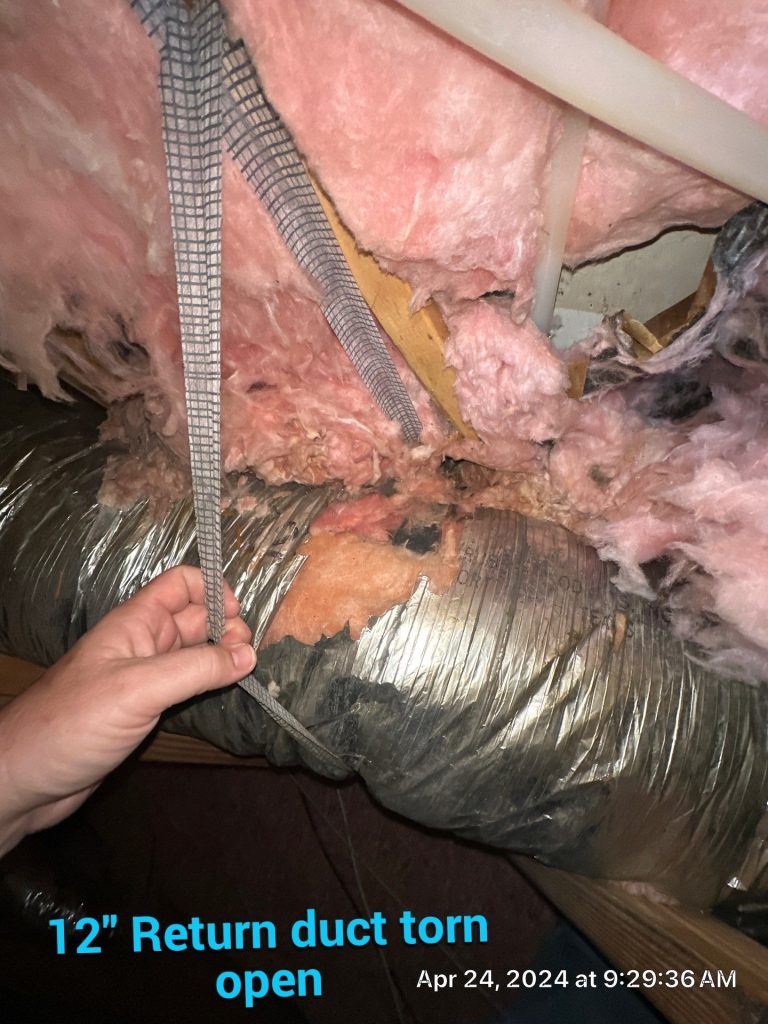
Old insulation is extra vulnerable because it absorbs moisture from roof leaks or humidity, lacks vapor barriers and may be contaminated with dust and debris, which is food for mold. Insulation material like fibreglass doesn’t present a great environment for mold to grow, but it traps moisture and dust, and that alone is enough for mold to flourish.
How to Tell If Old Insulation Has Mold in Your Attic
Mold in insulation is difficult to track or detect. It likes to hide beneath layers or walls, but your home can still show you signs that it has been infiltrated. Here are some common signs to pay attention:
Musty Odors
If your home always smells like damp earth or wet socks even after deep cleaning, your insulation may be breeding mold. This odor often lingers even after cleaning visible spaces properly.
Discoloration or Stains
When you notice black, green or white patches, dark streaks on wood or insulation or water stains on ceilings, you should know there is moisture buildup and possible mold growth.
Damp or Compressed Insulation
Healthy insulation should be dry and fluffy, so if it feels damp, flattened or clumped, it is likely saturated with moisture and mold growth is already on the way.
Uneven Indoor Temperatures
Insulation that has been damaged by mold loses its effectiveness. If you notice that some rooms feel hotter or cooler than others,, depending on the weather, then your attic insulation might be compromised.
Increased Allergy Symptoms
If sneezing, coughing, or headaches are worse indoors, it is very possible mold spores could be circulating through your home’s air system.
Health Risks of Mold in Old Home Insulation
Mold is a biological intruder that can significantly affect your health. Even if it is only present in your attic, the spores can travel through your vent and duct system and tiny gaps into living spaces and cause some respiratory problems. Here are some common health problems associated with mold:
- Persistent coughing and sneezing
- Nasal congestion and throat irritation
- Skin irritation
- Headaches and fatigue
People with already existing respiratory issues, like asthma, and those with weakened immune systems are at a higher risk of suffering from this menace. Some molds contain mycotoxins, which can affect the nervous system due to prolonged exposure.
Mold can turn your cozy home into a death trap if not treated immediately.
Structural and Financial Risks
Mold doesn’t just attack your health; it also attacks your home, and if left untreated, it can
- Weaken the wooden beams and the roof
- Lead to roof damage and costly repairs
- Reduce insulation efficiency
- Reduce property value
Best Way to Prevent Mold in Attic Insulation
It is easier and cheaper to prevent mold growth than to opt for remediation after it has spread. Here are a few ways to prevent mold from growing in attic insulation
Control Moisture
Moisture is the major cause of mold so if you fix roof and plumbing leaks and humidity issues, you can curtail your mold problems. Small drips of water can soak the insulatuiuon an dprovide a breeding ground for mold.
Improve Ventilation
Poor ventilation traps humid air in your attic. Proper airflow allows moisture to escape before it becomes a problem.
Install Vapor Barriers
Modern insulation systems include vapor barriers that can block moisture from entering insulation layers, keeping it dry and fluffy and safe from mold.
Use Dehumidifiers
In places that are humid, reducing your indoor humidity is an important step in significantly reducing mold risk. Use a dehumidifier for this purpose to keep everything dry and keep moisture under control.
Schedule Regular Inspections
Attics are often ignored, and that is why mold thrives there so easily. Inspecting the attic once pr twice a year can help catch issues early and mitigate your risks significantly.
What to Do If Your Insulation Has Mold
If you suspect or notice that mold has taken over your insulation, resist the urge to just cover it up. Mold is a living organism and can grow till it is uncontrollable and you have to move out.
Step 1: Confirm the Problem
Professional inspection or air quality testing can help confirm the presence of mold even when it is hidden. For this, you need special testing equipment handled by experts like Ties360. Try not to carry out these sorts of inspections on your own.
Step 2: Remove Contaminated Insulation
Moldy insulation has to be removed completely. Cleaning it is hardly effective because the mold is already deeply embedded in the material.
Step 3: Fix the Moisture Source
If you don’t address the root cause, the mold will return, and you will keep spending money on costly remediation. Find the moisture source and fix it if it is a broken pipe or a leaky roof.
Step 4: Replace with New Insulation
Go ahead and install modern moisture-resistant insulation for efficiency and to prevent the recurrence of mold.
Why Professional Help Matters
Handling mold is not a simple DIY project. Disturbing mold can release the spores into the atmosphere and spread the problem even further. That’s why you should always call in the professionals.
If you are dealing with old insulation and mold, companies like Ties360 are experts at:
- Mold remediation
- Attic ventilation fixtures
- Installation of moisture-resistant insulation
- Safe insulation procedures
They don’t just address the visible signs but fix it from the root, ensuring that your home is clean, safe and healthy enough to live in.
Frequently Asked Questions
How to check for mold in an older home?
A few warning sign slike a musty, earthy smell or condensation on the ceiling, can tell you that mold is present in a building.
Which insulation materials were used in older homes?
Insulation in older homes was made of wood shavings, corncobs, newspapers and seaweed.
What kills mold instantly, naturally?
Vinegar works best on mold when it is used undiluted and at full strength. Simply spray the vinegar onto the mold.
Wrapping Up
Old insulation may look like a dream, but when moisture gets into the equation, it can become a breeding ground for mold, which can affect your health, comfort, and finances. Knowing how to tell if old insulation has mold in your attic and understanding the health risks of mold in old home insulation is important for mitigating the risks associated with it.
Applying the best way to prevent mold in attic insulation can not only save you from real health problems but can save you real costs of repairs and, in worst cases, moving out. A professional from Ties360 is more than capable of conducting a thorough inspection of your home and removing the moisture source, keeping it free of mold. Hire an expert today.