Attic Insulation Removal and Replacement – Complete Guide
Attics are hidden parts of your home, yet they play a significant role in enhancing your home’s comfort. They are tucked away in the ceilings, helping to regulate temperature, conserve energy, and reduce utility bills month after month.
However, just like any system, attic insulation doesn’t always last forever and can degrade over time.
In other cases, they can fall behind modern standards. That’s where attic insulation, removal and replacement come in. This process transforms your home from drafty and inefficient to energy-saving and comfortable. This article tells all to know about this process.
Key Takeaway
- Attic insulation is important for home comfort, and it regulates indoor temperatures, lowers energy bills, and helps your HVAC system work effectively.
- Key signs you need removal and replacement include increasing energy costs, uneven indoor temperatures, and persistent odors.
- Removal and replacement is a structured process that involves inspection, safe removal, thorough cleaning, sealing air leaks, and installing new materials like fiberglass, spray foam, or cellulose.
- Upgrading insulation leads to improved energy efficiency, better air quality, noise reduction, and increased property value,
Why Attic Insulation Matters
Attic insulation acts like a thermal shield. In hot climates, it keeps heat from invading living spaces, while in cooler seasons, it traps warmth indoors. Without proper attic insulation, your HVAC system works overtime, leading to higher energy bills and uneven indoor temperatures. Rooms may feel like different climates entirely, one chilly, another stuffy.
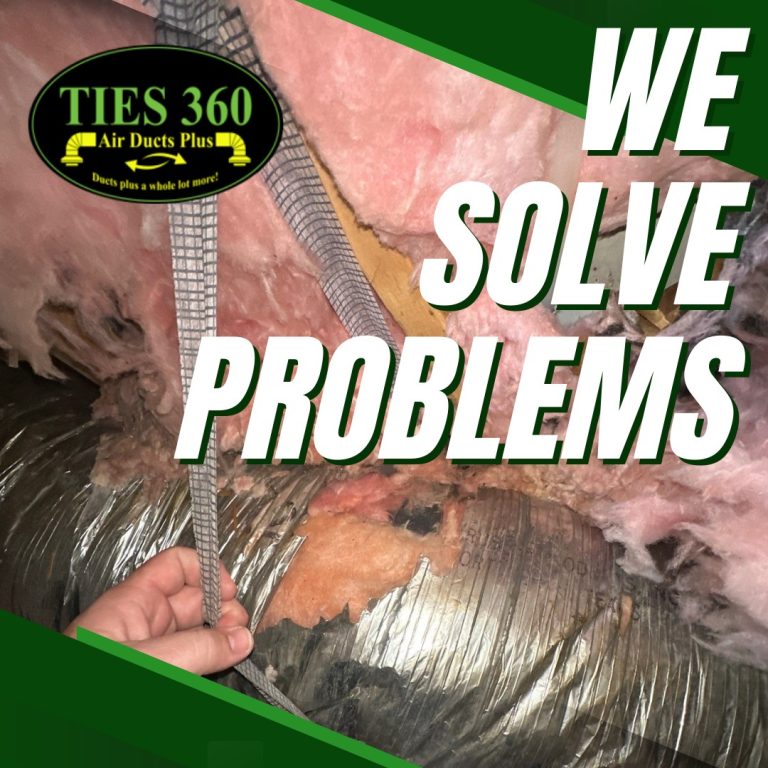
Old or damaged insulation loses its ability to perform. Think of it like a worn-out blanket that no longer keeps you warm. Dust accumulation, moisture, pest infestations, and general aging can all reduce its effectiveness. In some cases, insulation can even become a health hazard if mold or contaminants are present.
Signs You Need Attic Insulation Removal and Replacement
Not every attic needs a full overhaul, but certain warning signs signal it’s time for action and here? are some you should consider:
Rising energy costs
When you notice energy bills increasing without an explanation, it could be an insulation issue.
Inconsistent temperature
When your home struggles to maintain a constant temperature despite constant air conditioning or heating, it’s a sign that your attic insulation could be the culprit. If your higher chambers feel hotter especially in warm climates, your attic insulation may not be fully functional.
Visible signs
Evidence of pests like droppings or nesting materials shows that attic removal is needed. If you notice damp insulation and mold growth, that’s also a major sign you should replace your attic insulation.
Musty Odors
A lingering musty odor can suggest hidden issues. Insulation absorbs smells over time, especially if moisture or pests are involved. When that happens, replacement becomes a necessity for indoor air quality.
Attic Insulation Removal Process
Attic removal is a methodical approach that requires the highest safety standards and thoroughness.
Inspection
Attic Insulation removal professionals typically start with an inspection. They assess the type of insulation present, its condition and detect any underlying issues or structural concerns.
Removal
Once inspection is done, a plan is set and the removal process begins using special equipment like industrial vacuums. They are typically used to remove loose-fill insulation. If batt insulation was used, a manual removal process is best. This stage required protective gear as insulation contains dust, allergens and even toxic particles.
Cleaning
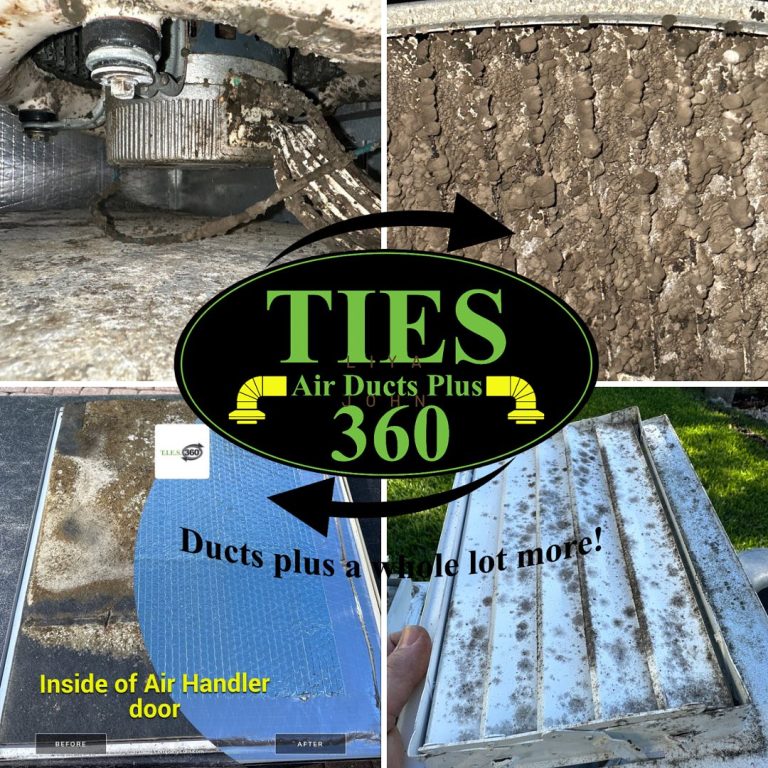
After removal, the attic is cleaned and prepared for replacements. This step is important as any contaminants or debris need to be removed to lay a clean foundation for new insulation. If there is moisture, it needs to be removed before moving forward. If you skip this step, you could be setting yourself up for problems later on like preparing a breeding ground for mold growth.
Choosing the Right Replacement Insulation
Attic insulation replacement is where the transformation really happens. Modern insulation materials provide durability and benefits to the environment. Common material options for attic insulation include fibreglass, spray foam and cellulose.
Your choice depends on climate, budget nd your specific home needs. A professional assessment can determine the best fit for your home while ensuring your attic insulation performs at peak levels.
Fibreglass
This is widely used because it is affordable and effective for installation. It is moisture-resistant and easy to install.
Spray foam
This is a real contender against cellulose and fibreglass as it expands to fill up gaps and cracks, creating an airtight seal. It is more expensive but it provides superior insulation and can significantly reduce energy loss.
Cellulose
Cellulose is made from recycled paper products and provides a more eco-friendly option presenting excellent thermal performance and soundproofing.
The Installation Process
Attic insulation replacement is more than just laying new material. Even the best insulation material can fail if installed incorrectly. Uneven coverage or missed spots can create weak points where heat transfer happens.
Seal air leaks
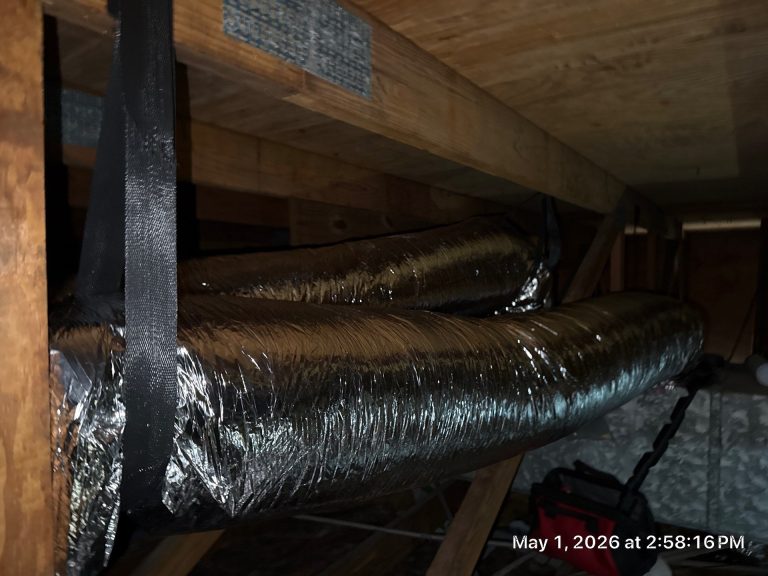
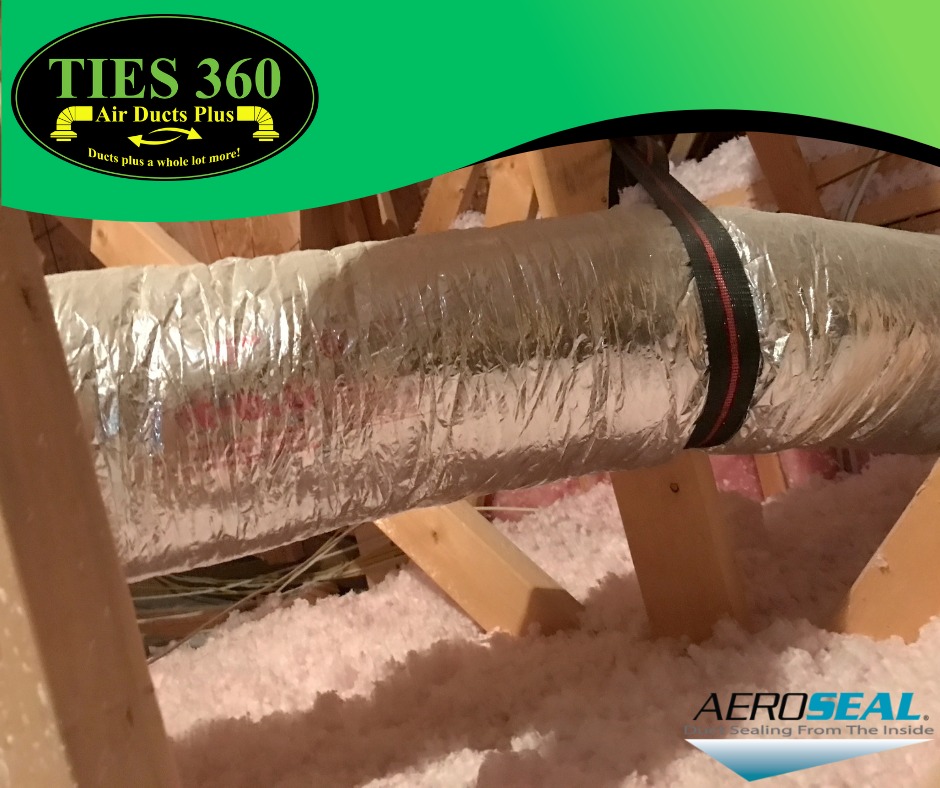
It begins with sealing qir leaks and small gaps around vents, wiring and ductwork that can allow air escape and reduce efficiency. Sealing these areas makes sure that the new insulation works effectively and reduces energy bills.
Installation
When installing, loose-fill insulation is blown into place, creating a layer that covers the attic floor. Batt insulation is fitted between joists to make sure there are no gaps left. Afterwards, spray foam is applied directly to the surfaces to expand and form a continuous barrier.
Benefits of Attic Insulation Replacement
Attic insulation replacement provides immediate and long-term benefits like:
Energy efficiency
When insulation replacement is done properly, it can significantly reduce utility bills. Homes become more comfortable, maintaining consistent temperatures throughout the entire space.
Improved indoor air quality
Removing old and contaminated insulation gets rid of dust, allergens and odors. This is important for homes that struggle with allergies or respiratory problems.
Noise reduction
Quality insulation dampens external noise and this is such an overlooked benefit. It can create a quieter and more cozy indoor environment.
Property value improvement
New insulation can increase value as buyers are becoming increasingly aware of energy efficiency. An upgraded attic can be a strong selling point for a property.
DIY vs Professional Services
Some homeowners consider DIY attic insulation removal and replacement, however, it is not advisable. The process involves handling hazardous materials and navigating tight and poorly ventilated spaces.
This is why it is a job for professionals like those from Ties360 who bring expertise, proper equipment and safety measures. They can easily spot hidden issues like leaks and ventilation problems that may not be obvious to a rookie. Hiring an expert ensures that the job is done properly and efficiently, saving time, resources and improving indoor quality in the long run.
Maintenance of Attic Insulation
After attic insulation is installed, maintenance is relatively simple. Carrying out regular insulation can help catch issues early. Checking for signs of moisture, pests or damage can ensure the insulation keeps performing effectively.
Proper attic ventilation plays a key role as good airflow can prevent moisture buildup which compromises insulation over time. With the right care, modern insulation can last for decades, doing its job without demanding attention.
Frequently Asked Questions
- Is it worth it to replace attic insulation?
Yes, attic insulation replacement is a key way to reduce energy consumption and improve indoor air quality.
- How many years does attic insulation last?
Quality attic insulation lasts between 20 and 100 years. However, several factors can deteriorate the lifespan of your insulation.
- What are the signs that attic insulation needs replacing?
When you notice inconsistent indoor temperatures, higher energy bills, unpleasant odors or worsening allergies, you might need to replace your attic insulation.
Wrapping Up
Attic insulation and replacement may not be the most glamorous home improvement project but its impact is definitely important. It is the difference between a home that survives the elements and one that endures against them.
By addressing damaged and outdated insulation, homeowners can enjoy comfort, lower energy costs and a healthier indoor air quality. The attic is often overlooked but can be a powerhouse of energy efficiency. Work with experts who have significant skill with the right equipment to ensure that you get your money’s worth and your insulation lasts long. Hire a professional with Ties360 today.