Florida schools are attracting more attention these days for indoor air quality. In a news article, it was reported that parents complained of a school’s HVAC problems and how they greatly affected their kids.
Parents are speaking up more, so HVAC cleaning for schools in Florida isn’t optional anymore. This guide cuts through the noise to explain why HVAC cleaning is important for Florida schools, the usual trouble spots, what makes school air duct cleaning different from cleaning other buildings, and how to pick the right commercial HVAC cleaning team in Florida.
What Are the Most Common HVAC Problems in Florida Schools?
Florida’s climate isn’t friendly to HVAC systems, especially in schools where they have to run continuously. This creates problems for the systems, such as:
Dust and debris buildup
Chalk, dust, paper fibres, and dirt can accumulate fast, and the ducts become reservoirs for these contaminants, which are then recirculated.
Excess moisture and humidity
When the air outside gets humid, that dampness sneaks into the ductwork. Condensation then builds up inside the ducts and air handlers, potentially causing rusting of some parts.
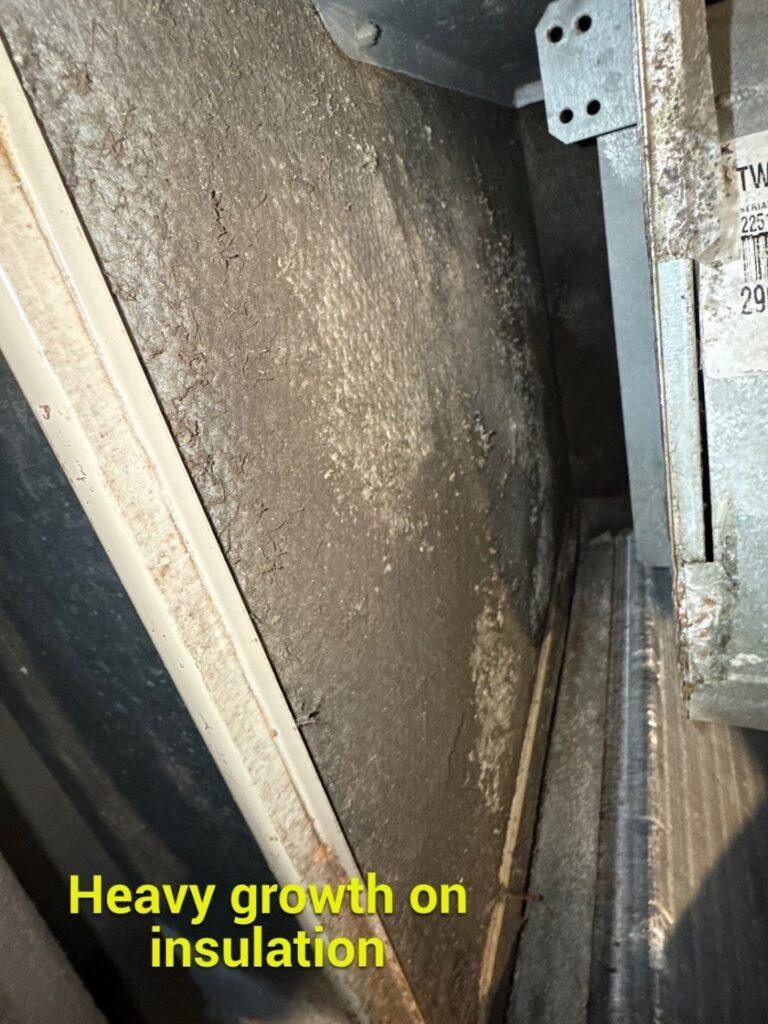
Mold growth
Mold loves moisture, especially when there’s dust or other organic stuff around. That’s a big reason schools in Florida focus on preventing mold in their HVAC systems.
Clogged coils and drain pans
Clogged coils or blocked drain pans are another headache. Cooling drops off, water backs up, and mold doesn’t waste any time moving in.
Poor airflow and system imbalance
Airflow takes a hit, too. You end up with some classrooms that feel like freezers, while others are just stiflingly hot. HVAC systems have to work even harder to even things out, which only makes the situation worse.
Dangers of Bad Indoor Air Quality in Schools
When HVAC systems get dirty and schools don’t keep up with maintenance, the air inside takes a hit, and the kids feel it most. Poor indoor air quality can trigger:
- More asthma attacks
- Headaches and tiredness
- Allergies
- More people start missing school, students and teachers alike.
- Reduced concentration and performance
How Is School Air Duct Cleaning Different from Other Buildings?
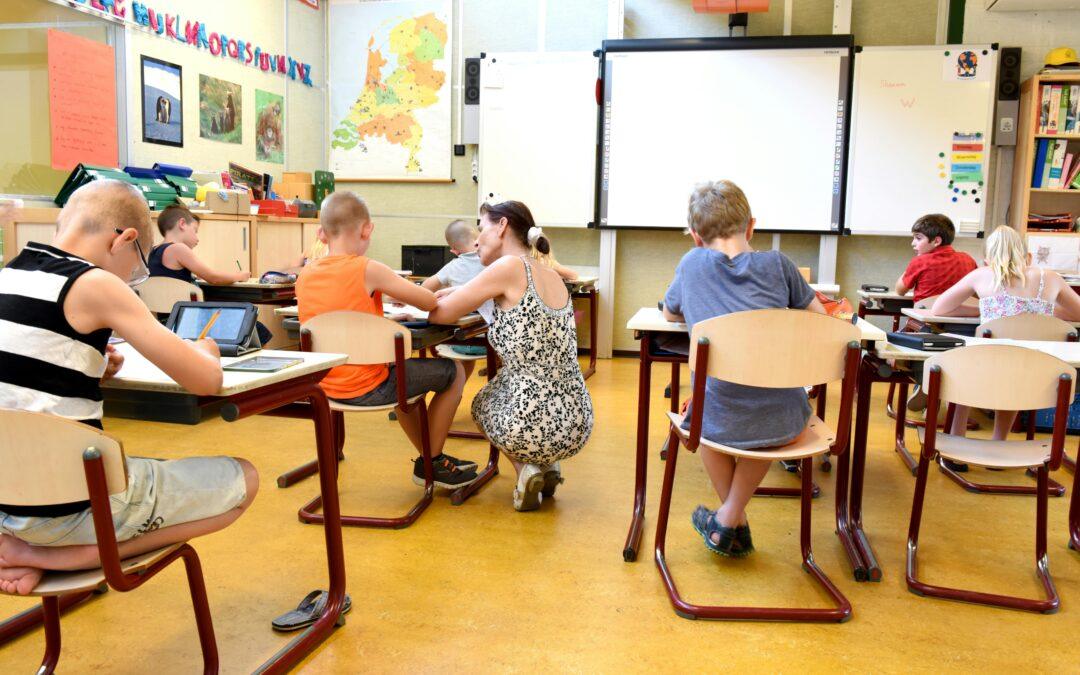
HVAC cleaning for schools differs from that for offices, warehouses, or retail spaces. Schools have unique risks, schedules, and compliance expectations. The major differences to note in School HVAC cleaning are:
Higher occupancy density
Schools contain between a few hundred and a thousand students, unlike many commercial buildings.
Sensitive populations
Schools that pack a lot of students into each classroom create an ideal environment for airborne contaminants to build up quickly, especially for kids with asthma, allergies, or immune issues. For them, bad air quality is a health risk.
Strict scheduling constraints
Cleaning schedules are tight as the crews can only come in after hours, on weekends, or during school breaks. There’s barely any free time because nobody wants class time interrupted.
Regulatory oversight
There’s also a lot of attention on school projects, which means they often need to show detailed documentation for everything they do, if it is aligned with state laws.
In these ways, school HVAC cleaning differs from commercial HVAC cleaning. Schools must prioritize safety, compliance, and transparency far more than regular buildings.
What Are NADCA School Air Duct Cleaning Standards?
When it comes to proper HVAC cleaning for schools, NADCA school air duct standards are the industry benchmark. The National Air Duct Cleaners Association (NADCA) sets clear guidelines for safe, effective, and verifiable cleaning.
NADCA standards Cover:
- Source removal cleaning methods
- Proper containment to prevent debris release
- Cleaning of supply and return ducts, air handlers, coils, diffusers, and grilles
- Post-cleaning verification and reporting
How Often Should School Air Ducts Be Cleaned?
Routine school HVAC cleaning, Florida programs aligned with NADCA standards, help schools avoid reactive, emergency cleaning situations. According to NADCA guidance and Florida school HVAC maintenance best practices:
- Every 3–5 years for standard school environments
- More frequently if:
- Mold is detected
- Renovation or construction has occurred
- Water intrusion or flooding has happened
- Students or staff report respiratory issues
What Signs Should Parents and School Administrators Look For?
Many HVAC problems show warning signs long before systems fail or health complaints escalate. Recognizing these early indicators allows schools to act proactively. When these signs appear, school air duct cleaning in Florida should be evaluated immediately as part of a broader Florida school HVAC maintenance plan.
Red Flags Inside Classrooms and School Buildings
- Persistent musty or damp odors
- Visible dust blowing from vents
- Uneven temperatures between rooms
- Excessive humidity indoors
- Condensation on vents or ceilings
- Increased student or teacher complaints about air quality
Warning Signs in Maintenance and Operations
- Rising energy bills without usage changes
- HVAC units running longer to reach set temperatures
- Frequent breakdowns or repairs
- Repeated mold remediation in the same areas
How Do You Choose a Qualified School HVAC Cleaning Company in Florida?
Not all HVAC contractors can handle school environments. Choosing the wrong provider can lead to incomplete cleaning, compliance issues, or even exposure risks. A qualified commercial HVAC cleaning company in Florida should understand that schools are not just buildings but public trust environments. When looking for a cleaning company, consider if they have:
NADCA certification
This shows that they adhere to recognized industry standards. With providers like Ties360, you can rest assured that their technicians have received the required training.
Proven school experience
Such providers should have real experience working with K-12 schools or childcare facilities.
Specialized equipment
They should know how to use HEPA-filtered vacuums and negative-air containment technology to get the job done right. In such environments, there is no room for poor-quality work, as it can have a serious impact on children.
Clear documentation
They should be able to provide before-and-after photos and clear reports for school boards and parents. Their process should be understandable on paper, and they should be able to carry out every task on it with expertise.
Flexible scheduling
Since schools run a tight schedule, such providers should be willing to work at night or during any school breaks. Within such periods, they should be able to finish the job in time for the new school calendar.
Wrapping Up
Cleaning school HVAC systems in Florida isn’t just a nice idea anymore. It’s something that must be done to keep students healthy and help them focus while meeting regulatory compliance standards.
When schools bring in professionals who know NADCA standards for air duct cleaning, they can rest assured they have a permanent fix for the problem. A better approach would also be to get ahead of the issues before they start.
If you run a school or a childcare facility in Florida, you should take the time to inspect your HVAC system. Find a qualified commercial HVAC cleaning company that prioritizes assessment and a maintenance plan to keep your students healthy.
Ties360 offers these services with sustainability at the top of their objectives for your systems. With them, clean air is not just an extra perk but a basic necessity. Contact us today to get an assessment.